This time of year as the days grow short and the air crisp, Halloween lurks just around the corner, my thoughts turn to those creepy tales told before the fire. Ghosts figure in many of them and the traditional ghost story has a long history. Every culture produced oral and/or written stories of ghosts.
Among the earliest written examples, Homer’s Odyssey depicts a journey into the underworld where the hero finds ghosts of the dead. A haunted house was portrayed by Plautus, the Roman playwright in his work entitled, Mostellaria. The ghost bound in chains was perhaps first described by Pliny the Younger in another haunted place tale. The Roman writer, Seneca was also fond of using ghosts in his tragedies. These classical examples would start to set the stage for the development of ghost stories in our own culture and day.
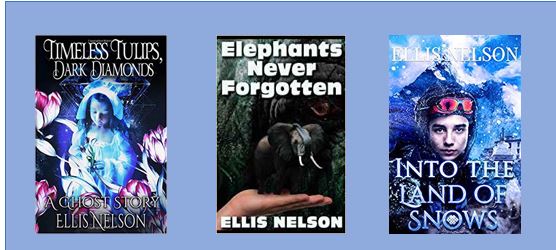
In celebration of the deep roots of this tradition, I remind everyone of my own ghost tale offering. The e-book has been discounted from $4.99 to $2.99 for all of October. The print copy is also available.
When fourteen-year-old Lydia travels to Amsterdam with her parents, the last thing she expects is the weird incidents that plague her stay. Curtains flutter mysteriously, and unexplained shadows move through the kitchen unnerving her. But Lydia is more concerned with the potential move to upstate New York. She dismisses the odd occurrences blaming them on jet lag and the various symptoms of her migraine disease. When Lydia’s father lands a new job and the family moves to an area first settled by the Dutch, the bizarre happenings continue. Suffering from migraines has never been easy, but now Lydia must face what she may have inadvertently brought home with her. A vengeful ghost.
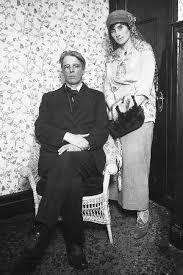
The strange book title comes from the poem “Sailing to Byzantium” by WB Yeats. This historical fiction tale addresses the life of a young socialite. During WWI, Georgie Hyde-Lees breaks free from maternal control and arrives in London to nurse soldiers. Through her mother’s connections she meets WB Yeats, the famous poet many years her senior. Interested in the occult, Georgie enlists Yeats’ help in securing an invitation into the Order (The Hermetic Order of the Golden Dawn). The author’s descriptions of a young woman trapped by conventional society’s rules and expectations are well drawn. Georgie falls for Yeats, but the reader remains hard pressed to understand the attraction Georgie exhibits. Certainly, he treats her poorly throughout their relationship. At the time of their meeting, WB struggles with his professional writing career faltering.
Georgie
Presented with the option of another suitor, an officer who is her contemporary and a suitable match, Georgie sends him packing. Regardless that her mother and friends warn her that Yeats still loves a woman from his past (Maud Gonne), headstrong Georgie doggedly pursues Yeats. Yeats strings her along through his reconnection with Maud and then Maud’s daughter, Isesult.
Maud Gonne
Georgie’s stubbornness eventually pays off. Turned down by everyone else, Yeats finally marries Georgie. Neither are happy in the marriage but to keep Yeats’ attention (at least for a while), Georgie takes up automatic writing. Very keen to engage in all things esoteric, Yeats focuses just enough on his wife. That satisfies Georgie even though she knows she’s perpetrating a fraud. Eventually, Yeats’ poems benefit from the pursuit of the greater unknown.
WB & Georgie
Having read the reviews on Amazon after reading the book, most people agree the writing is exceptional, although the pacing suffers in a few places. The depiction of the period and societal constraints are interesting and well done. My biggest gripe is that the book is basically a very sad, one-sided romance. I had hoped for a journey into a mystical world of secret societies where Georgie actually had some PSI ability. At least on that level, she might have shared a connection with the older poet. Apparently not, she duped her husband for years if this fiction reflects reality.
CONTEST WINNER: Cornelia Weber! She will receive a print copy of INTO THE LAND OF SNOWS. Congrats Cornelia!!
Enter to win a free print copy of INTO THE LAND OF SNOWS.
What’s it about?
Glad you asked!!
A troubled, sixteen-year-old Blake travels to Base Camp on Mt. Everest to spend time with his physician father. When a deadly avalanche occurs, Dad is forced to rethink things and sends Blake off the mountain. Now accompanied by a Sherpa guide, and in possession of a mysterious camera, Blake undertakes a journey which will challenge everything he believes. In the magical Himalayas, he will be forever changed by what he experiences.
Interested?
Leave a comment below to enter. Blake is traveling in the Himalayas, where would you travel if anything was possible right now? I’ll draw one winner from all those who comment and mail the book to a US address. (Sorry everyone out of country. I’ll try an e-book contest later, so check back.) Contest closes Sept. 14, 2020, noon MT.
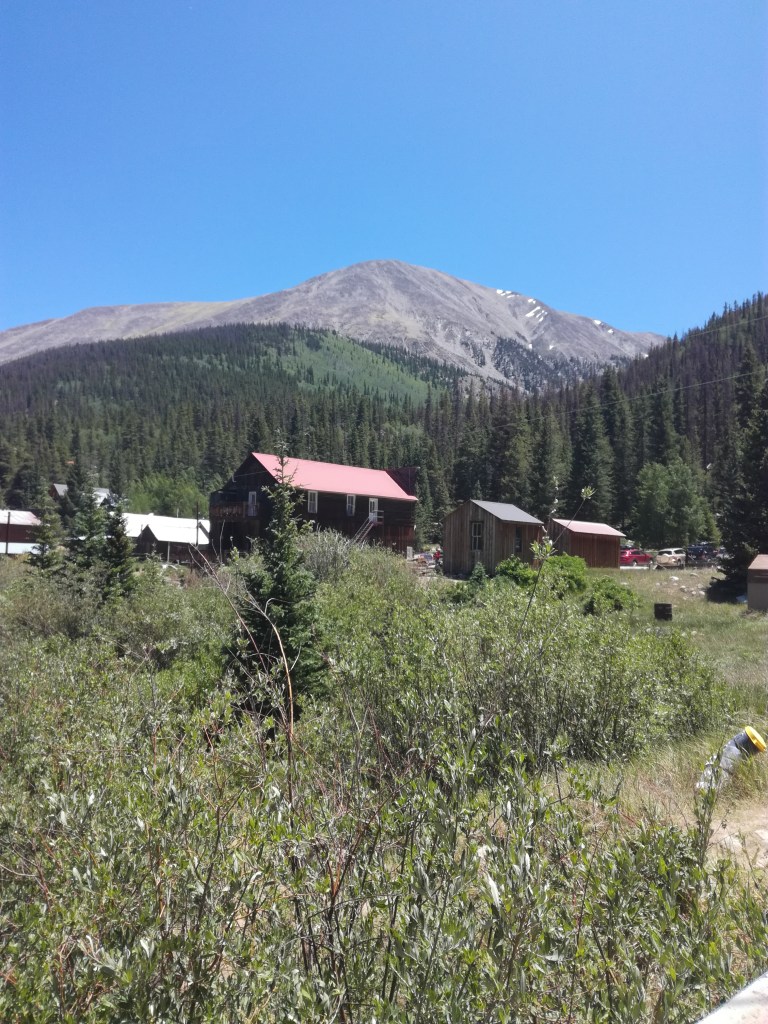
I’m finishing a novel set in Colorado at the turn of the nineteenth century. Part of the tale includes my protagonist traveling to a high-altitude mining town. Research for the book allowed for an excursion into the Colorado mountains. Ghost towns are boom and bust towns related to the mining industry that flourish for a short time but then are abandoned. They are not particularly known for ghosts, but I’m sure a few linger…
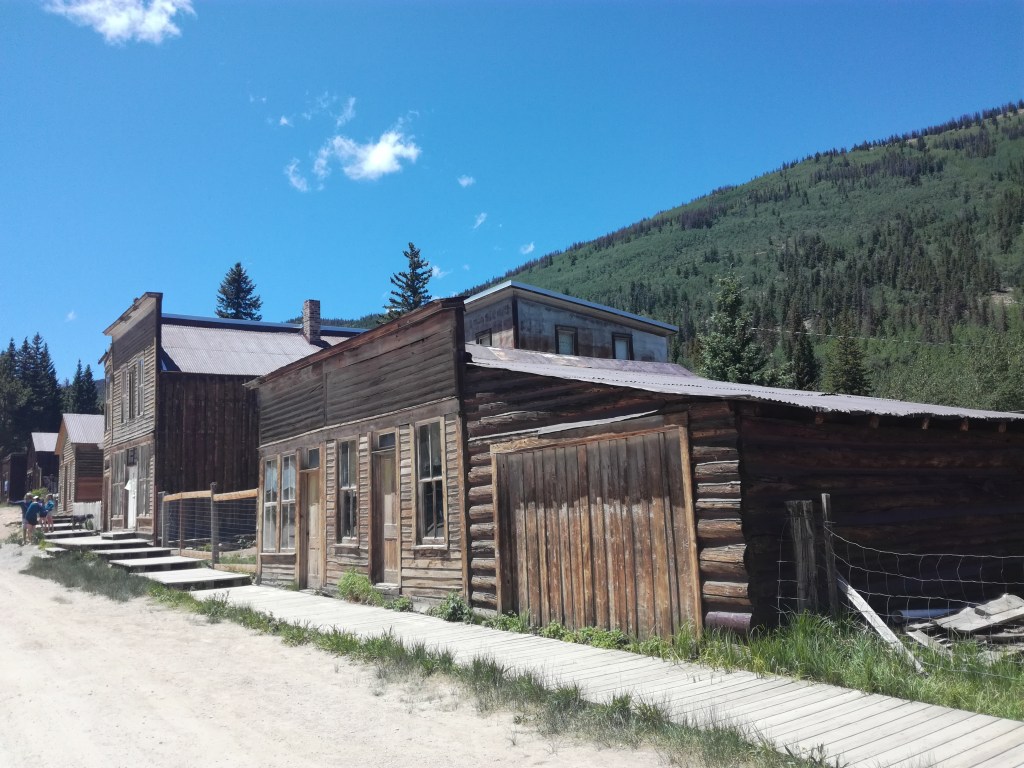
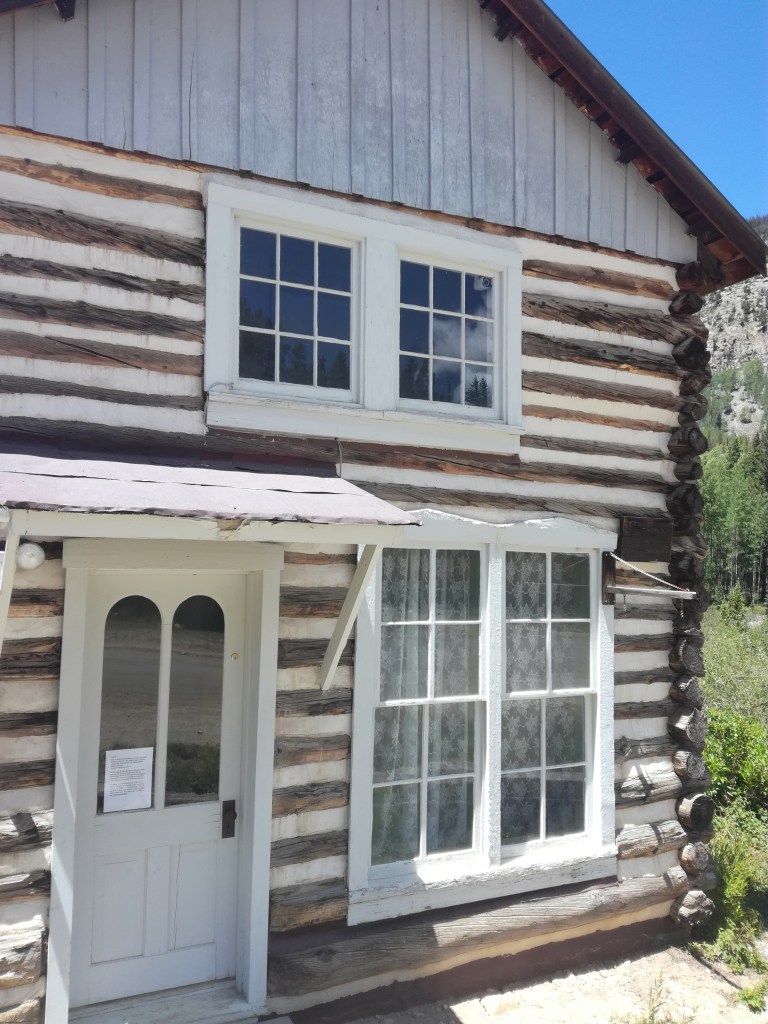
The photos show some of what remains of St. Elmo today.
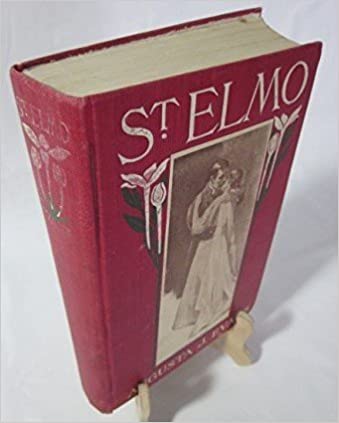
The town was founded in 1880 and originally named Forrest City. It was changed when several other towns also used that name causing confusion. One of the founding fathers happened to be reading a book titled St. Elmo and was inspired by the romantic tale. Gold and silver mining drew people to settle there.
At its height, St. Elmo had about 2000 residents (mostly male, typical of all mining endeavors). The town center included several hotels and saloons, a general store, a telegraph office, a newspaper office, a town hall, and a schoolhouse. No mention of a church nor the prostitution cribs (in some places like Cripple Creek, we know where the “Red Light District” was).
There were 150 mine claims in the area, but the majority of men worked at only four of the biggest mines. The largest and most productive was the gold mine called the Mary Murphy which operated until 1922 recovering $60 M through the years. A railroad ran through St. Elmo allowing the town access to supplies.
Although the Mary Murphy continued to be profitable many of the other claims failed. By the 1920s, the town had been in steady decline for years. By 1958, the place was a virtual ghost town although a few people still reside in the houses photographed.
Nowadays, most of St. Elmo is considered private property. You are allowed to photograph from a proscribed distance, but the buildings are not necessarily deserted like they are in some more remote ghost towns of the west. In fact, St. Elmo is considered to be one of the most accessible Colorado ghost towns (despite the long drive on unpaved road) because you can actually drive up to it. Many require hiking through remote parts of the state.
So if you read about Tallulah visiting Teller City searching for her long-lost Ma, you’ll know I’m waving from St. Elmo!
This is a book I’ve had sitting on my shelf for some years and only recently began reading. It offers insights into healing that seem to resonate with Reiki and with the work of Bruce Lipton (The Biology of Belief). It offers an intriguing underlying framework but while researching a few things, some alarm bells sounded as several lawsuits have surfaced involving the author and the practice. Since there are many books out on Stibal’s patented method of healing and many who offer these services in the US and abroad, I think it’s at least worth surveying the overall process to foster an understanding of what it is. All accounts of its efficacy are in the form of testimonials and one small study indicates practitioners couldn’t generate the theta state (*).
The Theta Healing technique involves a process by which the practitioner uses techniques to enter a deep, relaxed state of theta brain waves. Everyone passes through the theta state before we sleep so this shouldn’t be seen as exotic. People who practice meditation can achieve this but whether what the book describes is sufficient to eventually produce consistent results, again is open to question. But let’s assume with enough practice and understanding, it is. In this state, the practitioner is at a level Stibal calls the “Seventh Plane of Existence.” From here commands to the “Creator” can be made to change health and belief systems. Crucial to the healing is that the Practitioner witness the healing or the change in the belief system. Once this has been done, the healing is complete and energetic separation is made. This witnessing aspect is reminiscent of quantum mechanics where the wave function requires a witness.
Photo: Chris Hope
The Theta Healing technique can be used for physical or emotional healing and a large portion of the book is devoted to describing how beliefs can be changed or released. Beliefs can be held at four different levels and each needs to be addressed in order for the belief to be fully addressed.
Core level- (held in the frontal lobe) beliefs instilled during childhood
Genetic level- (stored around physical DNA) beliefs carried from ancestors or added in this life
Historical level- (held in auric field) beliefs from past lives, deep genetic memory, or collective consciousness
Soul level- (held at heart chakra and outward) beliefs encompassing all that the person is
Counseling as well as muscle testing methods are used to uncover beliefs that form negative programs and hold an individual back. Each belief needs the client’s permission for removal or change. All negative beliefs must be checked on all four levels. Practitioners can remove or change negative programs by accessing the theta state and using a command protocol similar to what was outlined above. Stibal repeatedly addresses ethical questions on respecting clients wishes and differences throughout the book.
Theta Healing is a complicated system where the practitioner takes on a lot of responsibility. Stibal has written many books that expand on the basic techniques. She teaches workshops around the country and abroad. There is probably a practitioner near you if you live near a major US city. The technique is available and it’s interesting. Whether or not it’s effective, is hard to say. To use the technique, I think a degree in counseling psychology would be minimum because it involves so much client interaction. Of course, more research on the method and into the theta state itself would be helpful.
REIKI DISTANCE HEALING TREATMENTS: I’d like to offer my services to readers of the blog. Anyone interested in receiving a Reiki distance treatment can contact me at: ellisnelson@gmx.com. I will provide additional information via email. To honor the exchange practice of Reiki, you will be asked to make a $25 donation to your favorite charity.
For the next two weeks (May 30-Jun 15), INTO THE LAND OF SNOWS, Kindle edition, will be on sale for $2.99 ( orig. price $4.99).
HIGH ALTITUDE MAGIC & MYSTERY:
Sixteen year old Blake travels to Base Camp on Mt. Everest to spend time with his physician father. When a deadly avalanche occurs, Dad is forced to rethink things and sends Blake away. Now accompanied by a Sherpa guide, and in possession of a mysterious camera, Blake undertakes a journey that will challenge everything he believes. In the magical Himalayas, he will be forever changed by what he experiences.
REIKI DISTANCE HEALING TREATMENTS: I’d like to offer my services to readers of the blog during the Covid crisis. Anyone interested in receiving a Reiki distance treatment can contact me at: ellisnelson@gmx.com. I will provide additional information via email. To honor the exchange practice of Reiki, you will be asked to make a $25 donation to your favorite charity.
Kids say the darndest things! Known for their blunt honesty and jaw dropping lack of filters, we adults sometimes shake our heads or laugh. Every once and a while, these articulations make it into family history and are re-told for generations. But what if your little darling starts talking about an experience BEFORE he/she ever knew you?
This happened to Dr. Wayne Dyer and his friend, Dee Garnes. Sharing their experiences, they wondered how many others had similar stories to share. Memories of Heaven is the book that resulted from parents, grandparents, and others contributing their tales. These real-life stories are fascinating in their detail, sophistication and yet— simplicity of language. Almost all the utterances happen spontaneously and without coaxing. There is a certainty exhibited by these young ones in what they are telling. Often these remembrances of a time before are shared as soon as language emerges. Can we dismiss them as fanciful talk of children? I suppose, the most cynical can. But then there are the patterns.
What kind of things do kids talk about?
Memories of the time before now: This often includes where they came from and what it looked like. They may also recall specific activities they miss doing. Some can describe their feelings while in the before place and some miss it terribly still. This other place may be thought of as the real “home”. Children may engage in language and use concepts like God even when there has been no formal religious education in the home. Youngsters may speak about viewing family members from this other place and relate information they don’t have normal access to. Some children have spoken about being with siblings or other relatives who have died. There are some interesting stories about miscarriages. Later born siblings may know all about the miscarriages and have met those babies.
Memories of past lives: Some children will talk about living in another time and another place. They may share details of family life or even circumstances of their deaths. It’s not uncommon for a child to say, “You’re not my real mother.” In some instances, they know their names and the names of others from this other lifetime. It doesn’t appear that any of the cases in the book were ever substantiated but those familiar with Dr. Ian Stevenson’s work know that many similar cases have been verified.
Memories of choosing parents: Children describe a process of choosing their mothers and fathers. It seems to be a deliberate process that they have a lot of control over.
Memories of family reincarnation and role reversal: A commonly shared phenomenon was one in which souls returned to the same families. Children reported things like being a grandmother or grandfather in a previous life recalling specific memories or details. Instances where a child talked about being the parent were classified as role reversal and they were viewed as a subset within family reincarnation. These may involve a needed healing of the parent-child relationship. The authors are quick to point out that not every child born is an ancestor.
Memories of connections to spiritual source, precognition, & mystical wisdom:
Children may spontaneously speak of another realm where light, love, and compassion are expressed as primary memories.
Sometimes young children utter mysticlike wisdom. These stories oftentimes involve knowing about medical conditions, pregnancies, and impending death before anyone else.
Memories of invisible friends, spiritual visitors, and angels:
It has been reported that up to 65% of children have imaginary friends. But who are they? The book contains tales of children talking about these encounters. Many times these stories involve deceased relatives the child never has met. Oftentimes the youngster knows specific information about the individual that no one has told them. Children can sometimes identify the person from photos without prompting/coaching.
Children also talk about seeing angels. They offer vivid descriptions with simple language.
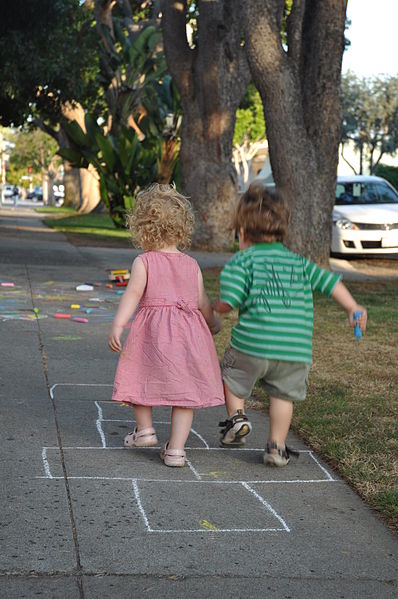
Photo: Ilya Heykinson
This book is a constant reminder that we must listen to what children are saying. That simple openness allowing them to communicate what is happening in their world is crucial to developing trust and safety. If we can put aside our adult, preconceived notions, a whole other world of possibility may emerge for us.
REIKI DISTANCE HEALING TREATMENTS: I’d like to offer my services to readers of the blog. Anyone interested in receiving a Reiki distance treatment can contact me at: ellisnelson@gmx.com. I will provide additional information via email. To honor the exchange practice of Reiki, you will be asked to make a $25 donation to your favorite charity.
This is not a traditional book on Reiki. It’s an intriguing and empowering book unifying the concepts of Reiki and magick from a practitioner’s point of view. The book compares and contrasts the two disciplines and encourages areas of crossover. Although many shy away from the word magick because it evokes negative associations, most of us are comfortable with the use of language involving the power of intention. The conscious use of intention can manifest inwardly or outwardly, both affecting our reality. This is magick. Most of us recognize magickal practices including spells, rain dances, healing songs, and protection blessings. But magical practices also include affirmations, prayer, creative visualization, positive thinking, and the biggest buzz word of all— co-creating. Shockingly simple and… unifying.
photo: queeselreiki
Although the author points out that the roots of Western magick and Eastern Reiki may seem like a wide gulf to bridge, they are really two disciplines providing paths up the same mountain. Both use symbols, initiation (called attunement in Reiki), spiritual lineage, energy work, and the mystical path of personal experience. Magick does differ from Reiki in how it creates change. Magick releases a well-considered intention into the world whereas Reiki practice does not focus on outcome. Reiki energy is understood to be intelligent and works for the higher good. The energy flows where it is needed.
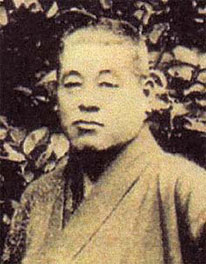
Mikao Usui, Reiki Founder (1865-1926)
The book includes a brief history of what we know about the history of Reiki. Many of us realize there is a lot of misinformation floating around. Stories and legends about the founders proliferate. A really good history of Reiki can be found in Penelope Quest’s, Reiki for Life. The three levels of Reiki are outlined in subsequent chapters of Penczak’s book. Most fascinating was the description of the entire ritual for attunement found in Chapter 5. The author is a firm believer that once you have your first attunement, the door to Reiki is open. Use of symbols and even doing attunements is possible.
The remaining chapters of the book explore healing with symbols, working with Reiki spirit guides, using crystals, and plant magick. There is also a chapter on some of the new lineages and practices emerging post-Usui. Overall, a creative, empowering and helpful book.
REIKI DISTANCE HEALING TREATMENTS: I’d like to offer my services to readers of the blog. Anyone interested in receiving Reiki distance treatment can contact me at: ellisnelson@gmx.com. I will provide additional information via email. To honor the exchange practice of Reiki, you will be asked to make a $25 donation to your favorite charity.
Hey, gang! I’m Lydia. In Ellis’ book, Timeless Tulips, Dark Diamonds- A Ghost Story, I was the fourteen-year-old moving to Upstate New York dealing with the ghost of a Dutch girl from the 17th century. At the time, I thought ghosts weren’t real, but first-hand experience has a way of shattering your reality. Today I have the chance to grill the writer— I mean ask a few behind the scenes questions. Some I have an inkling about, others I’m just as clueless as the reader is.
I’m like totally over this, but how was it that Annika
became your favorite?
Yeah, about that. You were always intended to be the main character but by the end of the story, it was obvious Annika had taken over. Partly, it was the history of the period that was so captivating and interesting. 17th century Holland and what Annika’s family goes through during the boom and bust of the tulip market grips us. That’s not to say what you experience is to be trivialized. Lydia- your world changes alongside Annika’s. You both make moves and go through things neither of you expect.
That’s for sure! And now that I know Annika’s whole story, I get why she acted the way she did. It was just so scary and aggravating at the time. But, like I said- I’m over Annika being more of the focus of the book.
Speaking of our connection, how am I like you? What makes
us different?
You deal with the same mother/daughter issues but with a
maturity I didn’t have. We both are “book” people and have a love for animals.
Both of us struggle to find our place in the world. Don’t we all?
What was the toughest scene in the book to write?
You know this one.
Yeah, but I gotta ask.
Tell them.
The incident when Mom had to call the ambulance.
Why?
Because it really happened that way.
Right. That scene was written from experience. It was just before Christmas and I was starring at the Christmas tree. The lights started to behave strangely. I witnessed a bizarre and beautiful phenomenon, I later learned was called “aura”. Events intensified where I lost my ability to speak and access language. My brain shut down. Some people call this a stroke in slow motion. Very scary. In fact, it was and is the scariest thing to ever happen to me. And these incidents continued for twelve years. Imagine, experiencing unpredictable, stroke-like symptoms for a dozen years… That’s why this scene was so hard to write and re-read.
Would you say this is your most personal book?
Absolutely. We’ve already talked about the migraine connection but there are other elements as well. In the dedication, I mention being a toddler and talking about a ghost I would see at night. This book also explores mother/daughter issues I myself experienced. Lydia is far more perceptive and processes these topics with insight I didn’t possess at her age. In many ways, the book was cathartic in allowing me to explore themes of illness, emerging spirituality, healing, and personal power.
e-book
Can I have a sequel?
No way! Sorry, my dear, your story has been told.
Is Annika getting a sequel?
This is starting to sound like whining. I’ve already given
you credit for being mature. Now, what impression are readers going to be left
with?
Oops. I just want you to know that I’m available should
another plotline jump into that writer head of yours.
Got it.
Anyway, thanks for hanging out today! Timeless Tulips, Dark Diamonds is out in print and e-book. Follow the links below.
Two worlds collide in this haunting tale. When fourteen-year-old Lydia travels to Amsterdam with her parents, the last thing she expects is the weird incidents that plague her stay. Curtains flutter mysteriously, and unexplained shadows move through the kitchen unnerving her. But Lydia is more concerned with the potential move to Upstate New York. She dismisses the odd occurrences blaming them on jet lag and the various symptoms of her migraine disease. When Lydia’s father lands a new job and the family moves to an area first settled by the Dutch, the bizarre happenings continue. Suffering from migraines has never been easy, but now Lydia has to contend with what she may have inadvertently brought home with her.
WHAT READERS ARE SAYING:
“YA Author Ellis Nelson knows how to thread a carefully spun tale with some little known, wildly interesting, historical facts and wonderful family dynamics. She paints memorable portraits of the different countries and eras – including the scents, fragrances, smells and stenches that so clearly define those ancient times in Holland . . . right into the New World! As an avid reader, I enjoyed the love for details, the historic research, and the way the author stuck – with unwavering rhythm – to her theme. . . ”
“… author, Ellis Nelson, accomplishes so much more. She ties the old world (Amsterdam) and the new world (New Amsterdam/New York) into one intriguing thread. Then she weaves that thread into a present day story of a young visionary, Lydia, who stumbles upon the unfinished business of her invisible counterpart, Annika, from the 17th century. The stories of both girls are complete, one illuminating the other. Through these points-of-view we experience the everyday angst of adolescence in both natural and supernatural ways. Mystical insights, historical realities, and future possibilities gild this lily of a story (or I should say, this prizewinning tulip) into a work of art.”
“Timeless Tulips is the third novel I have immersed myself in by gifted author, Ellis Nelson. As with her other books, this story is exciting, suspenseful, and definitely unique. The plot twists in unexpected ways and is filled with shadowy circumstances. A wonderful read!!”
“Speculating on tulips was a twist. Nelson brings the setting, characters, and events to life with a deft hand.”
“… loved the Amsterdam, Dutch heritage aspect, since I’m of Dutch ancestry. Wonderful ghost story!”









 ellisnelson