
(NOT a skeptic)
Read about the truth behind this fraud. No legitimate prize. Deputizing followers to troll Wiki and create their own history. More outlandish tactics.
(NOT a skeptic)
Read about the truth behind this fraud. No legitimate prize. Deputizing followers to troll Wiki and create their own history. More outlandish tactics.
Filed under news

By Bruce Greyson
Greyson is a psychiatrist who has been studying near death experiences (NDEs) for decades. He brings his research and a plethora of stories together in this book as he walks the reader through his process of discovery. The stories are fascinating (especially the ones where someone learns about someone’s death during an NDE only to return to life and find out that person has died). If you are familiar with NDEs, he will plow well-known ground for much of the book. You must remember that Greyson took up his work when scientists didn’t even agree on what the term NDE even meant. How far we’ve come!
The book suffers (for me) because he refused to date any of his material apparently thinking that it would make the cases sound old and trivial, but it makes it difficult to get a sense of the whole timeline. There is also a grating repeat of his insistence of his scientific perspective throughout. I get it! You’re an MD and want to be accepted by peers. (You told me that! Move on.) It’s hard not to draw a sharp contrast to the mettle of an Ian Stevenson and the constant lack of confidence Greyson reveals. Enough of my personal pet peeves though. Does the book hold value? Of course, it does.
Greyson tackles some difficult and little covered areas. Most NDE stories are positive with positive outcomes. But there are people who have negative NDEs. There are also the lesser-known downsides to NDEs. These effects and stories are covered in the chapter aptly named, Hard Landings. Grayson would also like to shift the focus of the NDE discussion away from what happens after we die to how NDEs can help people live better, more fulfilling lives. Research suggests just learning about NDEs can help people make meaningful changes in how they live. All good points.
I think this is the kind of book where the take-away message is really going to depend on who YOU are. Are you questioning the reality of NDEs? Then the linear approach of Greyson’s scientific method will appeal and do much to answer your questions. Are you already convinced of the legitimacy of the NDEs? Then, maybe, the stories and the way people are forever changed by these events will speak to you. For me, it’s always been more about what NDEs say about our understanding of reality that makes the phenomena not only intriguing- but important. Lessons from NDE research supports the idea that consciousness does not spring from the brain, but rather that the brain acts as a receiver that filters information. Science has a lot of work to do to figure out how the mind and the brain function to explain all the intricacies experienced in NDEs. These understandings will have far reaching consequences on the whole way we structure our paradigm.
Some points to ponder:
*5% (approx..) of the population has experienced an NDE. (They are COMMON!) 1in 20 Americans have had one- means you probably know someone who has.
*NDEs happen to all genders, ages, religions, ethnic groups.
*Most experiencers are convinced some part of us continues after death.
*Studies of the brain, reveal that memories of NDEs look like memories of real events (NOT like how the brain remembers fantasies or imagined events).
* NDEs REDUCE the fear of death (overwhelmingly!!) regardless, if the NDE was positive or negative. It also reduces the fear of living allowing more risk taking and enjoyment of life.
*Experiencers who see those who have died when no one knew they had died, may suggest a form of continued consciousness after death. THE BIG QUESTION!!!
*NDEs point out flaws in the current brain-based model of consciousness.
Added Sep 3, 2021
UPDATE: Research published in 2017 on NDEs.
https://www.iands.org/news/news/front-page-news/1060-aware-study-initial-results-are-published.html
“The AWARE study (AWAreness during REsuscitation) is a multi-hospital clinical study of the brain and consciousness during cardiac arrest, including testing the validity of perceptions during the out-of-body part of near-death experiences (NDEs). Dr. Sam Parnia is the principal investigator. The initial results, from the first four years of the study, were published last December in the medical journal Resuscitation (PDF).
Of the 2,060 cardiac arrests during the study, 140 patients survived and could be interviewed for the study. Of these, 101 patients had detailed interviews, which identified 9 patients who had an NDE. Of the 9 NDErs, two had detailed memories with awareness of the physical environment. One NDEr’s experience was verified as accurate;…”
Click below to find my books.

Filed under Books

By Kate Summerscale
I actually put this book on hold before it was released thinking it was a fictional tale, so I was a bit surprised when it arrived. This is the true story of a Hungarian ghost hunter researching phenomena in England prior to WWII. Nador Fodor worked for the International Institute for Psychical Research, when in 1938, he encountered Alma Fielding, an average, middle-class housewife. Alma’s life had been turned upside down by poltergeist activity including objects flying through the air and various sorts of items appearing as apports. The case became famous in England as multiple papers vied for the story. Fodor had his own suspicions and worked diligently to discover how Alma might be producing some of the happenings. He does catch her doing some things, but others remain completely inexplicable.


This was the era of Freudian psychology, and the UK was gripped by fears of a second, paralyzing war, no one wanted. The author does a wonderful job centering Alma’s case in its historical setting. Fodor takes up the trail of Alma’s deeper, hidden consciousness. What was hidden behind her everyday appearance? A lot as it turns out. How does a person’s unprocessed trauma, grief, and unacknowledged loss mix in the psyche and materialize in daily life? And what does that mean for all of us?
Kate Summerscale worked with Fodor’s original case notes and interviewed some who knew Alma. The case is fascinating but what is even more so, is the impact the case had- although not many realize it…
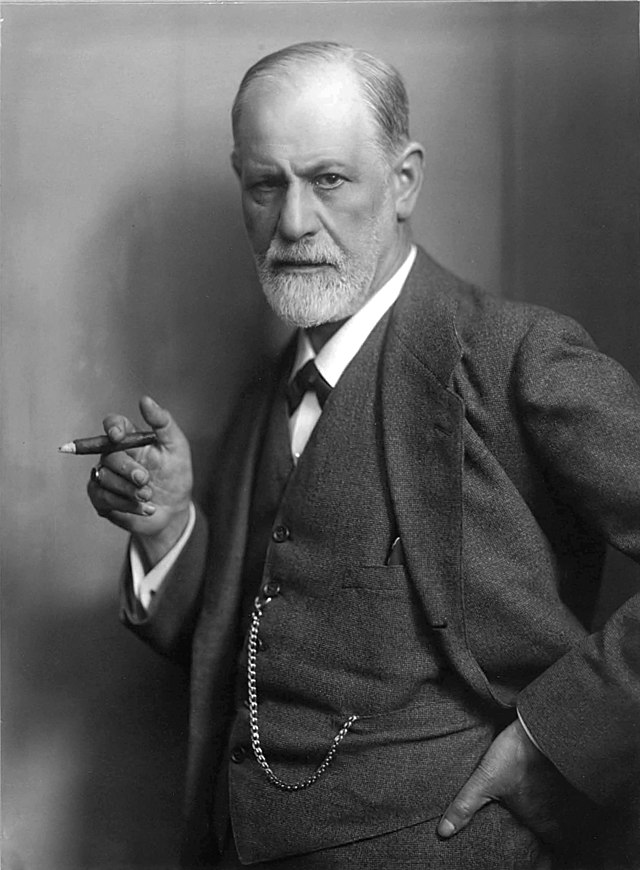
Eventually, Nador Fordor sought out and received a letter from Sigmund Freud supporting the likelihood of his conclusions about Alma’s case. Fodor went on to practice psychoanalysis in New York. In 1951, he coined the phrase, “poltergeist psychosis”- where a mental shock can release a poltergeist personality. Fodor felt that the objects leaping into life were caused by Alma’s feelings where the poltergeist acted as her agent. (Hey folks- this is mind over matter…) Fodor’s account of Alma’s case was published in On the Trail of the Poltergeist (1958). Fodor acknowledged that from a clinical point of view, BOTH Alma’s hoaxes and authentic poltergeist activity pointed to a real human who was suffering.


This new understanding of poltergeist phenomena would emerge in the culture through books and movies. Fodor served as a consultant on the movie for Shirley Jackson’s book, The Haunting of Hill House (1959). Jackson was familiar with Fodor’s theories and used them in her portrayal of Eleanor Vance. Eleanor was portrayed as sane, experiencing weird things around her. Modern portrayals of hauntings from Carrie to The Babadook, allow for many interpretations- often combining real and imagined, psychological and supernatural.
Decades after Fodor’s work, his ideas on trauma have become commonplace. Central to Alma’s story, was the idea that a horrific trauma could be wiped from her consciousness. Today, the recovery of traumatic memory remains problematic, but acknowledged. The book provides an interesting window into the power of the subconscious and the time period Alma’s story emerges.
To find my books, click on the link below.
Filed under Books
A NOVEL by Megan Campisi
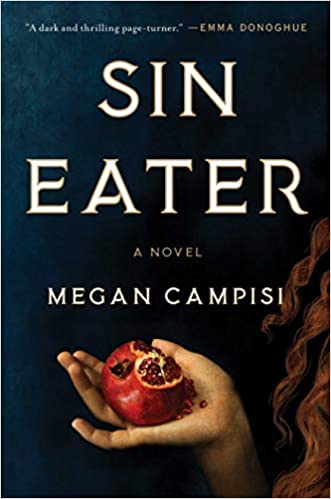
I’ve been intrigued by the notion of sin-eaters since I saw a movie concerning the topic years ago (The Last Sin Eater, 2007). Recently, I spotted this YA historical fiction work on the theme. It’s an intriguing book with a nice murder mystery at its heart.
But what is a sin-eater? Sin-eaters are designated individuals within a community who consume ritual foods thereby taking on the sins of a deceased person. The foods symbolize (or absorb, depending on your perspective) the sins and through ingestion, the sin-eater acquires the sin thereby absolving the deceased, and paving the way for entry into heaven. Historically, the practice is associated with Wales and the English counties bordering Wales.
In the book, The Sin Eater, 14-year-old, May, is made a sin-eater after stealing a loaf of bread during the reign of Elizabeth I. Marked as a sin-eater and shunned by society, May eventually seeks out an older woman in the same situation. This woman mentors May in this hard life through example because verbal communication is forbidden. Sin-eaters are well fed and outcasts who are redeemed only upon death, having faithfully served their purpose—or so May is led to believe. Things are turned upside down when the older sin-eater refuses to consume a deer heart for a royal governess who’s died. Refusing to do so costs her life. May loses her teacher and ends up center stage in a mystery of death and intrigue involving the royal bloodline.
I enjoyed the book because it is an imaginative tale about something very little is known about. And yet, it did exist culturally, and the legacy carried on to some extent in areas including western England, Wales, Bavaria, and 17th century Dutch America. Campisi’s novel is now available in paperback.
Click below to find my books.
Filed under Books
(This was recorded several months ago and posted recently for anyone who has an interest.)
Here’s the PowerPoint presentation on the life of Alan Leo, “the father of modern astrology.” Discover how this Victorian theosophist revitalized the occult science of astrology introducing the concepts of reincarnation and karma. Learn how sun sign astrology became part of his legacy and how it continues to influence our culture.
Filed under spirituality
YEAR IN REVIEW
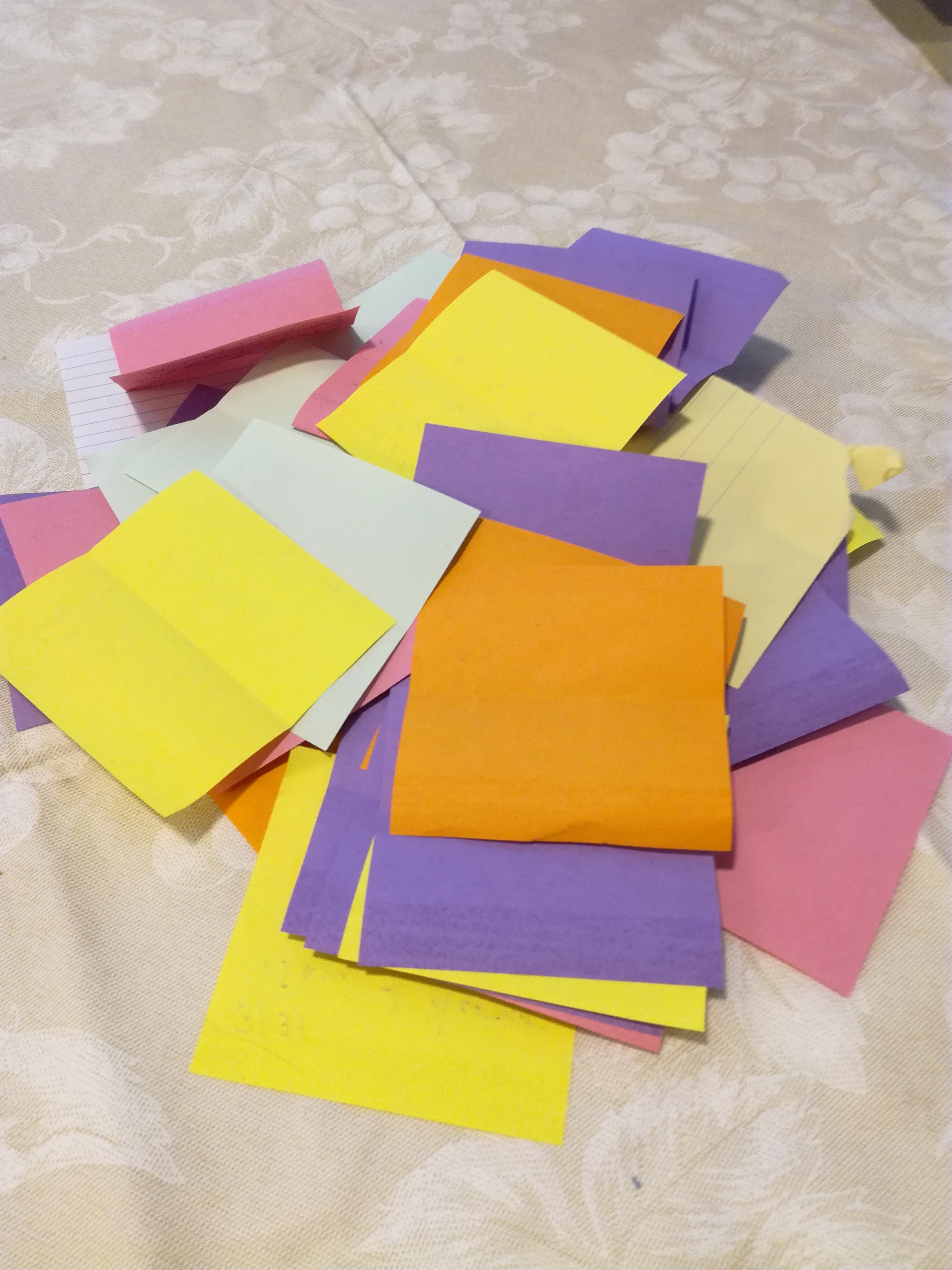
No one needs to be reminded that 2020 was a tough year. But along with all the difficulties, there were moments of victory, completion, pleasure, and wonder. Recalling those instances was the purpose of breaking open the gratitude jar. Throughout the year, highlights, big and small, are recorded on colorful papers and placed in a container. Sometime around the calendar new year, my husband and I review those slips of paper. What good things did the year bring? Some examples-
Events BIG: We welcomed a new granddaughter into the world! I finished writing a new book entitled, Tallulah. A major construction project in the house was completed. Bought a new car.
Events SMALL: Sighted a new bird (Towhee). Learned all our neighbor’s names & grew closer as Covid drew nearer. International phone calls to friends. Built swing set for granddaughter. Babysitting grandbabies. Dinners with son and daughter-in-law. Orchids bloom. Raccoon with babies. Eight-foot snake on a trail walk.
We are unlikely to forget the big events that shape our lives, but the little things are often overshadowed. The gratitude jar always surprises us reminding us of the small contributions the routine of daily life, with all its struggles, contribute to our experience of life and our contentment in the world. If you’ve never kept a gratitude jar, I encourage you to try this practice for 2021. It’s worth the small investment in time and may change your perspective helping you to refocus as each new year arrives.
Happy 2021!
Filed under spiritual

Aside from the religious imagery that surrounds us at Christmas, Santa Claus makes a regular appearance. The red-clad fellow travels through the sky on a sleigh pulled by reindeer delivering gifts to all the good boys and girls. Most of our American Santa depictions are drawn from two sources, Clement Moore’s “Twas the Night Before Christmas” (1823) and Cocoa Cola advertisements. Most of us recognize that part of the tale but what if there’s a bit more to ponder?
The connections are not all together solid, but they are tantalizing. So let’s indulge in a season of indulgences. Stories usually have long histories and when you start uncovering a trail, often one thing leads to another. Keep that jolly elf in mind.

Throughout the Northern Hemisphere, a pretty, red and white flecked hallucinogenic mushroom (Amanita muscaria) grows under trees. In these cold places, including Siberia, Shamans and reindeer have long consumed the mushrooms. Could it be that the origins of flying reindeer have their roots in drug-induced hallucinations? Donald Pfister, a fungi biologist at Harvard believes it’s possible. And what about Santa donning the red suit with white trim—possibly linked to the coloring of the mushroom? Even the appearance of the cute fungi on Christmas ornaments now raises an eyebrow.


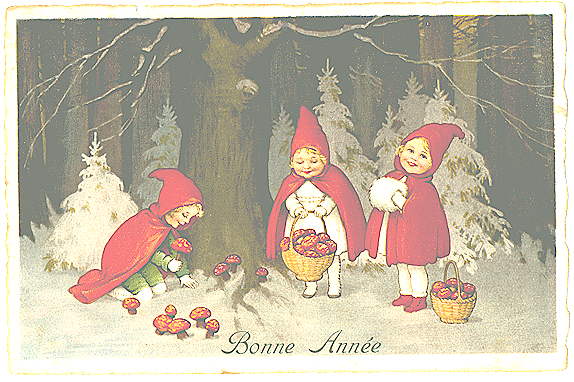
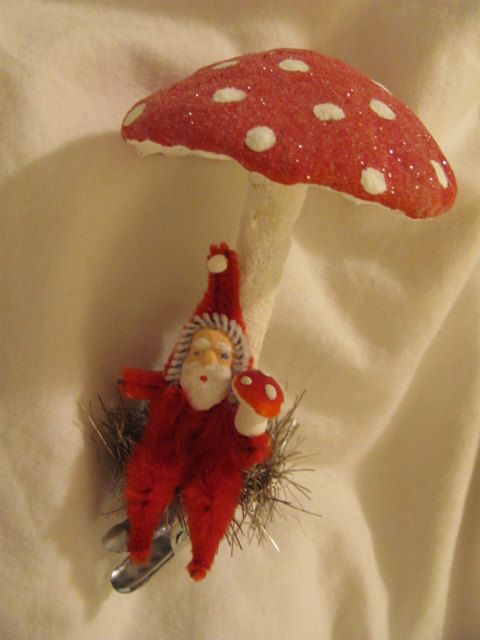
A faraway culture filled with healers and spirits, long dark nights, and vast open skies. Stories must have been told and retold around the warmth of fire. What survived? Did some remnant find its way to tickle the imagination of Clement Moore? Who knows? But now when you see a Christmas ornament inspired from the northern climes and a little red mushroom with white dots is tucked there too, see if you don’t just smile. Because wonder goes a long way to connect us to Christmas and to the past.
Read more here:
https://www.livescience.com/25731-magic-mushrooms-santa-claus.html
https://www.npr.org/2010/12/24/132260025/did-shrooms-send-santa-and-his-reindeer-flying

Click below to find my books.
Filed under Christmas

There’s something about this Thanksgiving that resonates deeply with the past. Back to the time of the first feast— And I’m not talking about images of a perfect family gathered around a spectacular roasted turkey, Norman Rockwell-like. After all, isn’t that how most Americans view the holiday? Quick, frenzied trips, across-country if necessary, to reacquaint with family, stuff ourselves, and hit the road home again. Year after year. It’s tradition. No, this year—it’s about…suffering.
Suffering is what binds us to the pilgrims who arrived EXACTLY 400 years ago. On Dec. 21, 1620, a landing party reached the site where the colony of Plymouth would be built. That first winter was tough and grim. Arriving so late in the year, only seven residences and four common houses (of the 19 planned structures) were built. Half of the 102 pilgrims perished in the first year, most in the first few months. Celebration of what we call the “First Thanksgiving” happened in October 1621 after almost a year of long, hard work. Only 53 pilgrims were left to attend the event. Those who remained probably took stock of the sacrifice and endurance it took to establish their small colony.
Thanksgiving 2020 is tied to the first part of the pilgrims’ experience here. One of hardship, loss, and grief. Already 260,000 Americans have died from the coronavirus. By the time, we take our seats at the dining table, we’ll have to acknowledge that we’ve lost almost as many fellow citizens to the pandemic that has raged for ten months as died in combat during WWII (1941-1945). * (And they called them The Greatest Generation.) How does anyone wrap their mind around the kind of loss we’re experiencing now? Grief will join us this Thanksgiving even if we haven’t (yet) been touched by the pandemic. It lurks just under the surface. A certain uneasiness about the future. Where will we be next month? Who will be sick then? Who will be gone?
Some part of us knows we haven’t built our shelters or come through the long, dark winter. Like the pilgrims, we are just as vulnerable as they were stepping into a new world fraught with danger. The future will require people of character, strength, and vision. Capable of great sacrifice and great faith. May we find them and may they be us.
* https://en.wikipedia.org/wiki/United_States_military_casualties_of_war).
Filed under Thanksgiving

This is the time of year of ghosts, spooks, specters. Americans love a good ghost story, don’t we? I’ve always thought so. This week, I found a few statistics that surprised me. A Harris Poll (2013) found 43% of us believe in ghosts and 20% (according to the Pew Research Center) report an encounter with a ghost or presence. All I can say is really? That all? Actually, I suppose the number is quite high given the prevailing material paradigm.
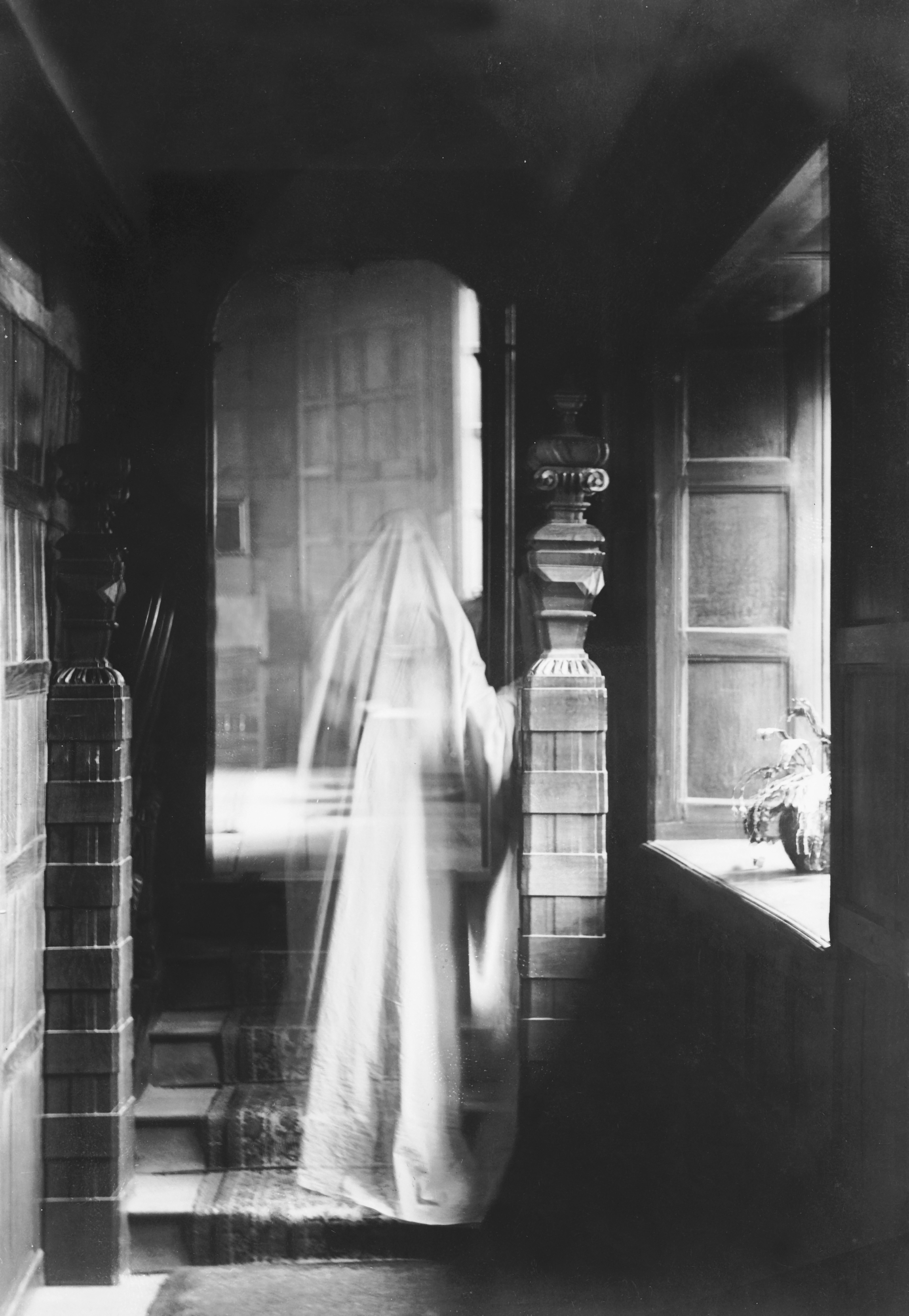
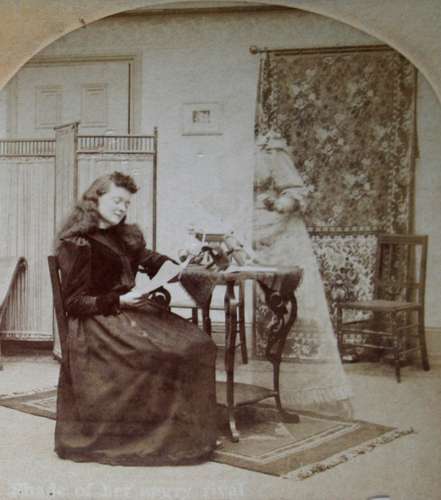
When writing my ghost tale, I stuck to the notion of the white, insubstantial energy form portrayed in many traditional stories. Annika in Timeless Tulips, Dark Diamonds appeared this way but also took solid shape when Lydia time traveled back to the 17th century. My portrayal of a ghost had both wispy and life-like appearances. Not unlike stories that have come down to us from ghost lore. While many spirits have appeared in flimsy diaphanous, white apparel—some haven’t. Some have donned colorful clothing they’d be comfortable wearing in daily life. Specters fitted out in armor, monk’s robes, or silken gowns are common enough. Some of these appear solid and fully fleshed out. Real, in fact. There are reports of people shaking hands or trying to, with some of these ghosts. Naked ghosts are rarely reported, cultural propriety prevails even for those stuck between worlds.
As we approach Halloween and the veil thins, it’s good to keep an open mind. I’ve had a few experiences that leave me highly suspicious of our understanding of reality. One of those instances is highlighted in the dedication of Timeless Tulips, the others I’ll save for another occasion.
I remind everyone of my own ghost tale offering, Timeless Tulips, Dark Diamonds. The e-book has been discounted from $4.99 to $2.99 for all of October. The print copy is also available.
Available on Amazon: https://amzn.to/2WnlqZX
E- book available: https://amzn.to/2l7LhHP

TIMELESS TULIPS, DARK DIAMONDS- A GHOST STORY
When fourteen-year-old Lydia travels to Amsterdam with her parents, the last thing she expects is the weird incidents that plague her stay. Curtains flutter mysteriously, and unexplained shadows move through the kitchen unnerving her. But Lydia is more concerned with the potential move to upstate New York. She dismisses the odd occurrences blaming them on jet lag and the various symptoms of her migraine disease.
When Lydia’s father lands a new job and the family moves to an area first settled by the Dutch, the bizarre happenings continue. Suffering from migraines has never been easy, but now Lydia must face what she may have inadvertently brought home with her. A vengeful ghost!
Available on Amazon: https://amzn.to/2WnlqZX
E- book available: https://amzn.to/2l7LhHP
Filed under Books
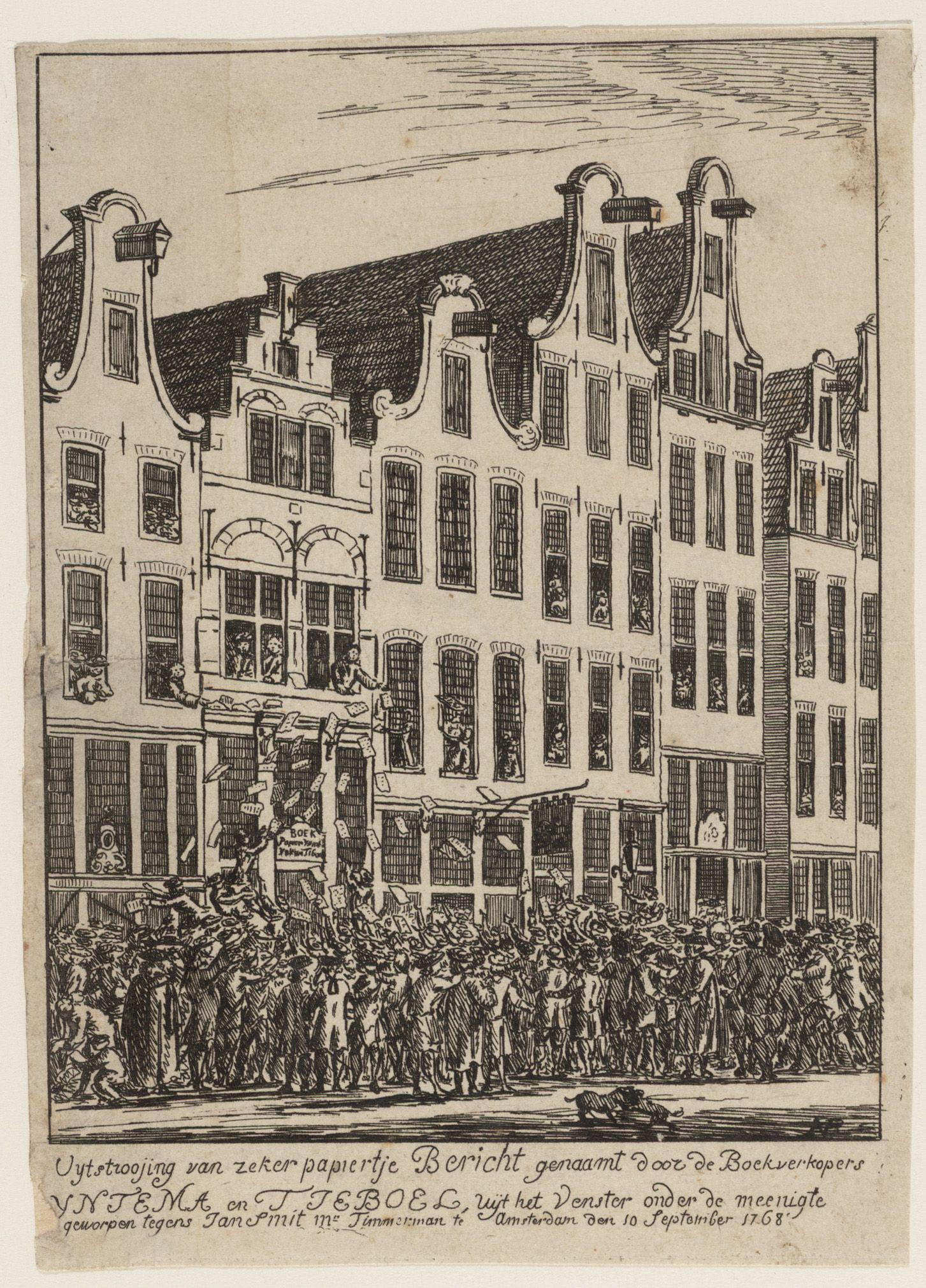
The fascinating history of the rise and fall in the speculative tulip market during the seventeenth century provided the backdrop for my book, Timeless Tulips, Dark Diamonds. The tale developed through daughter Annika’s eyes who grew up in a typical Dutch merchant class family. Annika lived during the Dutch Golden Age, a time of wealth, power, and opportunity. Even hundreds of years later, she would recognize Amsterdam’s canals, grand houses, and the Western Church. And perhaps, she might smile at the stories of others like herself who haunt the city.

THE SPINHUIS (Spinning House)-Today this site is a fashionable hotel but back in 1597, convicted women were held here and forced to sew clothes. In one famous tale, a priest fell in love with a young girl jailed in the facility and when he was denied access to her, he committed suicide. The ghost of the priest is said to haunt one of the hotel rooms and hotel staff refuse to enter the room.
BLACK MATTHEW– In Amsterdam, there is a tale dating back to the thirteenth century of a sinister character called Black Matthew. This rogue and magician apparently made a pact with the devil. Ever since, he has haunted the streets threating locals and tourists alike. Beware being out alone on the streets at night. No area in the entire city is outside his evil reach!

SPOOKSTEEG (Ghost Alley)- This story involves the notorious ghost of Helene who murdered her sister to marry a sailor who had favored her sister. On her deathbed, Helene confessed to the husband who cursed her for the act. Helene’s ghost has been seen in dark corners of this part of the city, moaning and screaming.
Should you like to explore more ghostly tales, I invite you to escape into the seventeenth century to visit Annika and see how she meets a modern-day American teenager named Lydia. Let the haunting begin! (Timeless Tulips, Dark Diamonds)
I remind everyone of my own ghost tale offering. The e-book has been discounted from $4.99 to $2.99 for all of October. The print copy is also available.
Available on Amazon: https://amzn.to/2WnlqZX
E- book available: https://amzn.to/2l7LhHP
TIMELESS TULIPS, DARK DIAMONDS- A GHOST STORY

When fourteen-year-old Lydia travels to Amsterdam with her parents, the last thing she expects is the weird incidents that plague her stay. Curtains flutter mysteriously, and unexplained shadows move through the kitchen unnerving her. But Lydia is more concerned with the potential move to upstate New York. She dismisses the odd occurrences blaming them on jet lag and the various symptoms of her migraine disease.
When Lydia’s father lands a new job and the family moves to an area first settled by the Dutch, the bizarre happenings continue. Suffering from migraines has never been easy, but now Lydia must face what she may have inadvertently brought home with her. A vengeful ghost!
Available on Amazon: https://amzn.to/2WnlqZX
E- book available: https://amzn.to/2l7LhHP
Filed under Halloween

 ellisnelson