Tag Archives: travel

TRAVEL & ADVENTURE: Let’s Hit the Road!

Six Days in Bombay- Alka Joshi

This was a book I chose for its exotic setting and promise of mystery and travel. Sona is a nurse in India in the 1930s. Her father was British and deserted her and her Indian mother when Sona was very young. Sona struggles to fit into society never feeling comfortable as anything other than Indian, but Indian society doesn’t completely accept her. One day a very famous Indian artist arrives on her ward and Sona is quickly dazzled by her. Mira Novak is everything Nona isn’t. Outgoing, beautiful, charming, and talented, Mira captivates everyone who crosses her path. She’s also half-Indian but wears it with a confidence Sona can only marvel over. Unexpectedly, Sona becomes a close friend and confidante of the famous artist.

After some tense moments dealing with Mira’s health, the doctors believe she will make a full recovery. And then suddenly, Mira is found dead and as her nurse, Sona is implicated in her death. The hospital believes a terrible mistake was made with her medications, but Sona is certain she had nothing to do with it. Dismissed from her job, Sona finds that Mira has left a note for her to distribute several of her paintings to friends. Sona, who has never been out of Bombay, finds herself hitting the road to deliver Mira’s gifts and try to understand why she’s been entrusted with this role and perhaps solve Mira’s death. Mira travels to Istanbul, Paris, Prague, Florence, and London. She learns how complicated Mira’s life was and gains deep insight into the many sides of Mira she never witnessed. All along, Sona gains confidence and a better understanding of who she wants to be outside of the long shadow cast by this friendship. In London, she searches for her father and resolves her unsettled feelings about him. Upon returning home, she finds the answer to how Mira really died.

This is one of those books that I found enjoyable but not in a category of exceptional. There were some interesting things going on in the background of Sona’s life that may have made it more exciting. There are references made to Gandhi and the Independence movement in India at this time, but it never accounted for a significant role in the book. There are also hints at traditional Indian women’s roles and Sona’s rejection of them but again, it doesn’t form an important part of the book. The travel aspect of the book could have been fun, but the writing lacked the detail that makes good travel writing. Some of the characters presented in the book are really well done and that’s probably the author’s strong suit.       


 Follow Me to Africa- Penny Haw
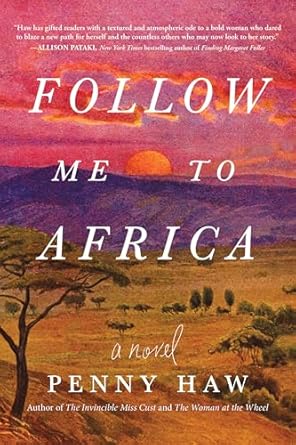
In this novel, we travel to the plains of the Serengeti where two women meet and share an unlikely friendship. The author splices together two timelines of the two women throughout the book. In one of the timelines, we follow the life of the famous paleoanthropologist Mary Leakey and in the other we meet a 17-year-old modern teenager, Grace, who in 1983 struggles with many of the same issues Mary once did.

This is a work of historical fiction where Mary Leakey’s life was researched and presented alongside a fictional account of her in her later years meeting a troubled teen who in many ways resembles her former self. Can Mary give this young girl the counsel she requires? The kind of advice she never got. The two women bond over the unexpected arrival of a hand-raised cheetah who has been released into the wild but isn’t doing well. Mary gives Grace responsibility for the animal and allows her to make her own mistakes, all things that allowed Mary to become the woman she would become. Mary recognizes that Grace needs to make her own way and discover her own feelings about being away from home.

I loved the chapters in this book that read like a biography of Mary Leakey’s life. She was a trailblazer for women during a time when women didn’t do science, have a career, or venture out into the wilds. Those chapters are vivid and give us insight into what it took to build the diligent scientist she became. We also get a glimpse of her personal life and how it shaped her career. The chapters with Grace are more stilted and contrived. I enjoyed those less and skimmed parts of those. This author excelled at description and setting while some of the character building might have been stronger. Of the two books, I liked this one better probably because the subject matter was more compelling for me and the adventure scenes were written in a vivid and compelling way. It’s hard to beat Mary stumbling on a full-grown lion or making some of the important finds she makes at Olduvai.  

BOOKS MAKE GREAT GIFTS FOR CHRISTMAS!

My Books to Hit the Road:    
2 Comments

Filed under Book Review

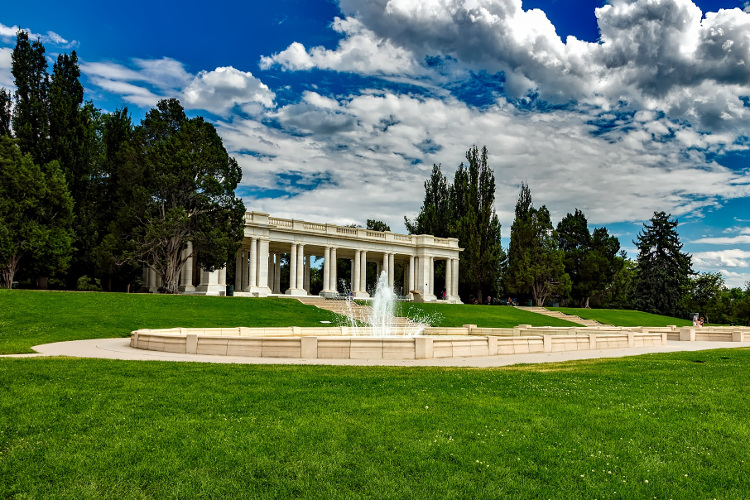
Lantern Guided Ghost Tour: Cheesman Park (Denver)

On a chilly, dark night we met our long-coated, derby wearing guide. He carried a very squeaky lantern that swung back and forth as we followed him through the notoriously haunted park. And why shouldn’t it be haunted? Today’s lovely spacious green park was once the site of several cemeteries dating as far back as1858 with Prospect Cemetery, but even before that legend held that Native Americans buried their dead here. Federalized in 1872, by then the cemetery was called Denver City Cemetery and contained various religious and ethnic groups. The Jewish section was reputed to be the most beautiful while the Chinese rituals of dismemberment and boilings at graveside drew the Denver curious in great numbers.

One of the first ghosts a visitor might encounter on any given night in Cheesman Park would be the that of John Stiles who suffered the fate of being the first man hanged in Denver. He is sometimes heard saying, “I did it! I did it.” Apparently, he murdered his brother-in-law back in the day and continues to confess to the crime even though he was executed in the cemetery over a century ago.

By the end of the 19th century several other cemeteries opened in Denver and this one fell into severe neglect. With an increasingly negative reputation, those who lived around it sought to have the cemetery converted into a park. The very costly undertaking (pun intended) to remove the bodies began…but not terribly successfully. After a scandal involving defrauding the city with a scheme involving breaking bodies into pieces and creating an endless trail of supposed separate children’s bodies in coffins, the work contract was cancelled. The city pressed forward with the park leaving thousands of bodies in their graves. Today evidence of this can be seen after fresh snow when depressed rectangles appear across fields. Media has captured these images as have individuals strolling the park. It’s a common event. Bones also have been known to float to the surface and are recovered in the park as coffins continue to break down. Construction in the nearby Botanic Garden or city grounds has also produced complete skeletons in lines.     

Our guide pointed out various sections of the old cemetery including the Chinese, Jewish, and Catholic sections. There was once a boot hill, so named because the homeless buried with their boots on and without a coffin, was an area subject to the confounding habit of producing the odd boot or two after weather events. Further along a significant depression in the lawn was once the site of a flood that resurfaced skeletons.  

We happened along a tree-lined path that was a road for Model-T cars for about a year. Apparently there were so many deaths due to the cars racing along at 35 MPH that the city had to intervene. The path is said to be haunted now by those victims, and you can still hear their screams. From that path, we gazed out into the park and were reminded that although the trees which lined the road were planted in straight lines, those out in the park were scattered because it was easier to drop trees into open graves when the city halted the contract to move the bodies than to pay workers to close the graves.

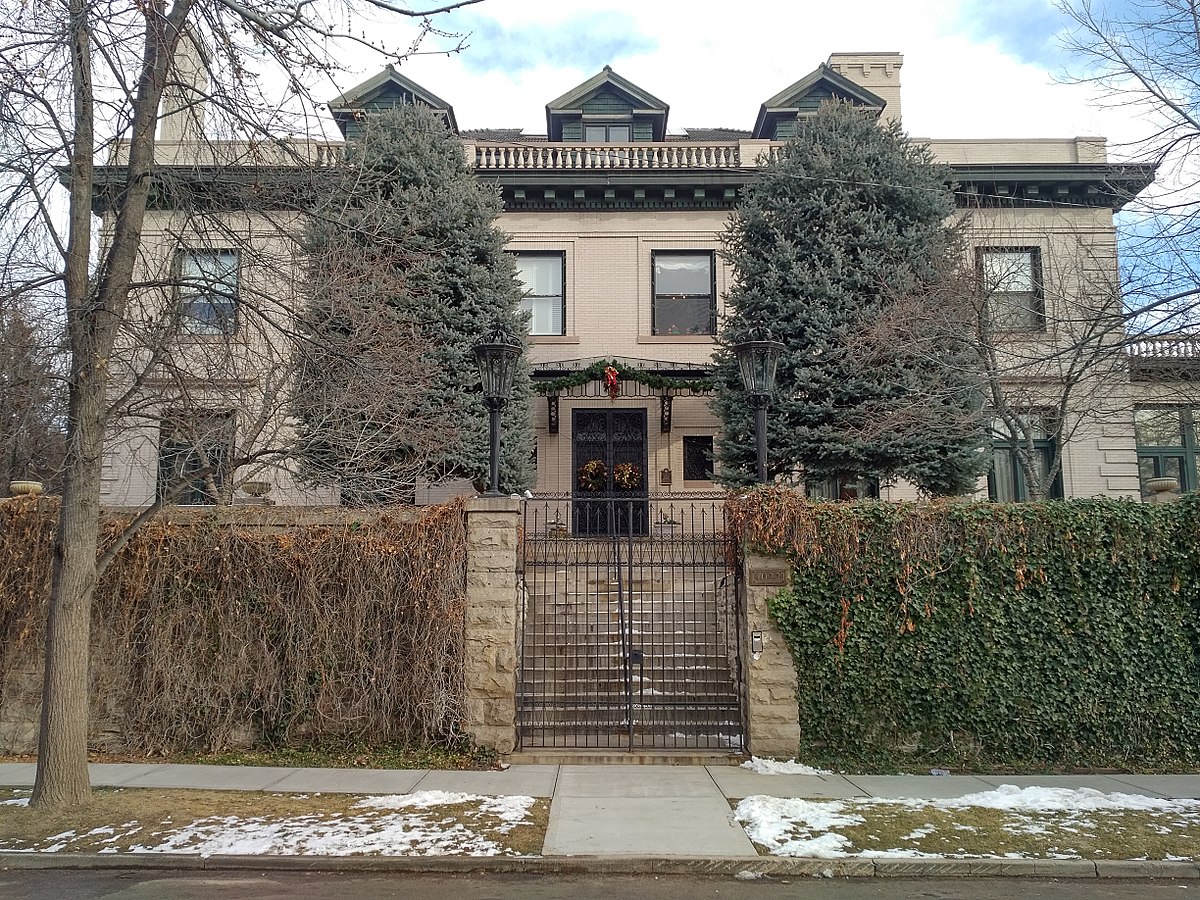
Because the original cemetery area covered more than the park, we had a chance to wander a few of the streets where Denver’s wealthy classes built estates right on top of the old cemetery. One of the most famous of these is the Stoiber Mansion. Today it is surrounded by tall hedges and hard to glimpse. It is said to be haunted by several ghosts. The one that guests repeatedly reported is a waiter in a tux who carries a tray. When you place your drink on the tray, it falls through, and he vanishes. The house also has a connection to the Titanic and the “Sacred 36” (a society card club which Molly Brown wanted to join but was never invited into). Across the street, one of Denver’s earliest newspaper men hosted Presidents TR and Taft. Next door lived the first Governor of Colorado.

A totally unexpected connection was made to the movie The Changeling (1980) starring George C. Scott. A couple of decades ago, in the Humboldt neighborhood, a Victorian house once stood where an apartment building does now. Back in the 1960s, Russell Hunter claimed to have had experiences in the Henry Treat Rogers’ mansion that provide the basis for the movie script. The mansion was demolished in the 1980s and the movie was set in Seattle.     

Cheesman Park has a history worthy of hauntings. We didn’t sense or see anything but just knowing that the grounds are filled with unrecovered and unmarked graves makes me think twice about picnicking or hanging around too long. Wishing you a happy, haunted Halloween!

Have you ever had an encounter with a ghost? Share your story in the comments. I have had several. One I describe in the introduction of my ghost book. Read it on Amazon.

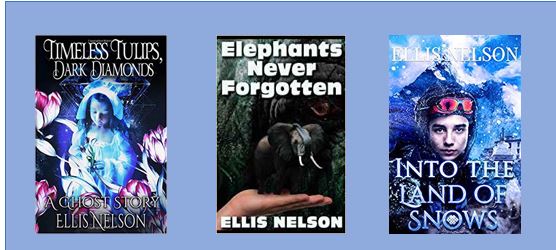
My Ghostly Tale: Timeless Tulips, Dark Diamonds: A Ghost Story

In this chilling ghost story, an act from the distant past is reawakened and afflicts the life of a modern teenage girl.

When Lydia travels to Amsterdam with her parents, bizarre things start to happen. Curtains flutter and unexplained shadows move unnerving her. With Dad interviewing for a job, Lydia is content to dismiss the oddities blaming them on jet lag and her migraine disease. But upon returning home to New York, the experiences intensify.

This is the haunting tale of two girls separated by four hundred years. Lydia is confused and in danger because the ghost of a little Dutch girl, Annika, wants revenge. When Lydia’s life is threatened, she is forced to solve a centuries’ old mystery to uncover the truth about Annika, her story, and how their past and present connect them. Can Lydia learn the truth in time to save herself and help Annika?

10 Comments

Filed under Halloween

THIS IS CANADA!

(from the song)

This Is Canada
Maple Syrup ‘N Log Cabins, Eh
Kick Your Ass All Hockey Season, Eh
Mounties Be Ridin’ Horses, Eh
Yeah, This Is Canada
Furry Woodland Critters In Our Zone
We Got The Best Weed Ever Grown
We Got The Best Bacon Ever Known
This Is Canada

The adventure starts. Four days on the road from Denver with two senior cats who made traveling rough. But then, they weren’t consulted about the trial escape made necessary after Trump was elected. Total shock about that election led to a plan that was whittled down to leaving for just three months to the great white north. Here, we’ll avoid the 24-hour news cycle and do a bit of local travel. Read some books, take an online class.

We’re about six miles north of the border and about an hour east of Vancouver in a rural area that grows blueberries, hops, brussel sprouts, and where neighbors sell eggs to each other at prices Americans would go crazy over right now. Bird flu has not ravaged small Canadian poultry farms.     

Canada has always been a nation known for its friendliness, its niceness. They were (and should be) our closest ally. In a way, we’re like cousins—sharing a continent, history, and values.  I remember 9/11 when flights were grounded in Canada and how Canadians took people into their homes. I remember how recently Canadian firefighters helped with the LA fires. There are countless other times, Canadians have had our backs and we’ve done the same. But the times are changing.

“Elbows up!,” Canada cries in a hockey phrase that means defend yourself. Immigration to Canada is difficult and has become more difficult recently. Canadians are cracking down just like a lot of the rest of the world. Americans can still cross the border to travel in Canada, but residency is altogether a different thing. You can come as a student, with a Canadian job (a company here would have to sponsor you), or a relative in Canada could sponsor you. Even after my son attended a four-year university and obtained his degree, he found it virtually impossible to remain in Canada (and that was a decade ago BEFORE the new restrictions involving quotas). The only way for me to feasibly immigrate to Canada would have to involve a sponsorship where my son would immigrate first (by first obtaining a Canadian job), and that would open a grandparents’ option. I bring this up because there has been interest from people in how to leave the US and Canada does feel like the easy answer. I wish it were.

Canada feels a lot like the US but there are differences. We’re saved from the language issue we faced in Belgium when we lived there. But products contain French directions and ingredients. Packages are in grams and kg. The sizes and choice of items are different. 3% milk (it’s a choice here)? Spreadable butter seems exotic and difficult to find. We haven’t found a breakfast sausage that suits yet. There’s a mixture of pork and ground beef widely available. That’s not commonly found in the US, but we did see meat mixtures in Europe. Many American products are on the shelves but we’re trying to buy Canadian (since we are ashamed of the deranged orange one). Canadian products are increasingly being marked by a red maple symbol in the store and there is an active movement among Canadians to buy Canadian. Every time we go shopping; I experience sticker shock. The exchange rate means that I have to discount everything by about 30% just to accommodate for the currency difference. Still, things feel more expensive.

Yesterday, we filled up the gas in the car for the first time on this side of the border. My husband got out to pump it. An attendant came out to do full service and my husband was stunned. When was the last time you didn’t pump your own gas?

Driving around we notice many American chain stores and restaurants but there are uniquely Canadian ones, too. At this point, we’ve only explored a small mall and there aren’t any significant differences to report. London Drugs was the biggest “drug” store I’ve ever been in. It resembles a small department store. You can buy furniture and TVs there.

We have settled into the day-to-day necessities and will be turning more towards travel. I hope to post more about what we see and experience. But at the same time, this away from home time is a time of preparation for what’s to come. I’m trying to fill in some gaps in education that I think are necessary. I’m finishing up a course on the Constitution, a book on fascism, and a dive into class war is upcoming. All heavy topics-but that’s where we are.

14 Comments

Filed under travel

UTOPIA – Two Tries

New Harmony, IN

(Check out my YouTube channel for more content. I post shorts and other in-depth videos there. @ellinelson6128)

I suspect most of you have heard of the Shakers. But what about the Rappites (also called Harmonists)? The Owenites?

Tucked in southern Indiana is a small town called New Harmony that came to my attention a few months prior to the recent eclipse. A weird and out of the way place where two very different groups of people attempted to create their version of a Utopian society. It sounded like a perfect place to experience the solar eclipse in Aries.  

In 1803, German born, George Rapp led a group of followers who had split from their traditional Lutheran roots to establish a town where they would follow an exemplary Christian life and await Christ’s imminent return. Rapp was inspired by the philosophies of Emanuel Swedenborg, Jakob Bohme, and other forms of Esoteric Christianity. His group may also have dabbled in alchemy. In a short ten-year period, the hard-working group which functioned as a commune, built a town and successfully traded goods along the east coast and down the Mississippi. Although some historians question exactly why George Rapp chose to uproot the entire town in 1814, the book I read indicates that the Rappites became too successful and Rapp feared that idle hands, well- you know how THAT goes. Rapp sold the whole town to a successful Welsh visionary looking to start his own Utopian social experiment.

(Above: The Rappites built log cabins originally before construction began on the permanent town. Middle photo shows a natural, laurel bush labyrinth with center brick structure. Third is a communal residence building later used as a theatre by the Owenites. Last photo shows a massive communal granary built by the Rappites. The Owenites bought an entire functioning town from the Rappites and built virtually nothing.)

Robert Owen was a transformative voice for change. With his charisma, he enchanted many. Coming to the US after becoming hugely successful in the UK in the textile industry, he addressed join sessions of Congress twice. New Harmony was envisioned to be his idea of a Utopian society for the worker. Unfortunately, his experiment attracted high-minded thinker types and none of the workers necessary to run the town the Harmonists had built. Owens visionary style marked him as a man of ideas, but he lacked the ability to actually get anything up and running in the community. The New Harmony experiment lasted about two years. However, Owen’s ideas were influential and with the diligent work of his sons and the intellectuals of the town, notable lasting achievements did come. The dream of social change came through reforms in women’s (Robert Dale Owen) and worker’s rights (UK, especially), the establishment of free public libraries and museums (Smithsonian) and led to major innovations in public co-educational schools (New Harmony intellectuals).

(Above: A building believed to have been built by Owenites. Second photo shows the specimen collections gathered by the Owenite intellectuals. They were known for their interest in science (especially geology) and educational reforms. Two photos of objects from the Owenite period. Last is a painting from a collection donated in the early 20th century to the Owenite community. The Owenites were also known for their active theatre productions.)

One of the major distinctions between the Harmonists and the Owenites was the way they treated religion. In the first community, religion was at the core of the founding of the society. The later Owenites were free to choose to practice any religion, or none. Robert Owen himself professed a belief in no religion. Until—late in life, Robert Owen met a trance medium and sat for several seances. A disbeliever in everything up until that point, he went on to communicate with (allegedly) Benjamin Franklin, Thomas Jefferson, and others. In the final years of his life, he became a firm believer in Spiritualism and its promise of an afterlife. Owen’s eldest son, Robert Dale Owen also found his way into the folds of Spiritualism. Robert Dale Owen had a significant career as an Indiana legislator, US Congressman, and diplomat. He implemented many lasting social changes for women’s property rights and advocated to give women the vote, urged Lincoln to abolish slavery on moral grounds, and had a role in the construction of the Smithsonian. Robert Dale Owen went on to pen two books about the phenomenon of Spiritualism. His books, Footfalls on the Boundary of Another World (1859) and The Debatable Land Between this World and the Next (1872) are still available today.  

I found New Harmony to be disappointing today. It’s a sleepy, quaint little town. Very little remains of the once thriving Harmonist community. Some of the Owenite period exists, closed and cut off behind fences. There are many pretty, well-kept Victorian homes. The local university has a few buildings it maintains and is vested in telling a certain slant of history. In the 1950s a benefactor came in to restore parts of the village and create a new artists’ colony. It was a shame she didn’t do this in the 1960s when it might have taken hold. Like so many little towns, it struggles for its place in a new world.    

(Below are images from the modern period, post 1950. First photo is the Roofless Church, dedicated in 1960 as an interdenominational church designed by Philip Johnson. Cloisters and sculpture follow in the next two photos, also near the Roofless Church. Final photo shows the replica of the Chartres Cathedral Labyrinth built in New Harmony.)

THE FULL SOLAR ECLIPSE IN ARIES :

My Alice in Wonderland retelling is called Down the Treacle Well. The book trailer is below.

ORDER HERE: bit.ly/3roGX9f

SIGNED COPIES AVAILABLE: Contact himalayaspencerellis@yahoo.com for more info!

6 Comments

Filed under Books

HAUNTED FOREST IN JAPAN

Photo: Ajari

The chill of autumn has arrived along with its spectacular color pallet. Yards are sprouting pumpkins and skeletons; witches hang from brooms. Time to pull sweaters from closets we haven’t seen for a year and sip warm cider from mugs. This time of year calls for the dark and scary (truly, it’s the only socially acceptable time to talk of death).

I’m going to combine two interests here, Japan (because in the spring I’ll be traveling there) and all things creepy because Halloween beckons. Come, we venture to the exotic land of the rising sun. At the base of Mount Fuji, is a forest called innocuously enough the Blue Tree Meadow (Aokigahara), or the Sea of Trees. Lovely, little tourist area of dense forest which flourishes upon a lava bed dating from 864 CE. The forest is known for its profound silence part of which is undoubtedly due to the sound absorbing properties of the area’s volcanic rock. The conifers and cypress trees must also suppress sound. Perhaps it was this uncanny quiet of the forest that first linked Aokigahara with the traditional ghosts of Japan: yūrei. If only it were that innocent…

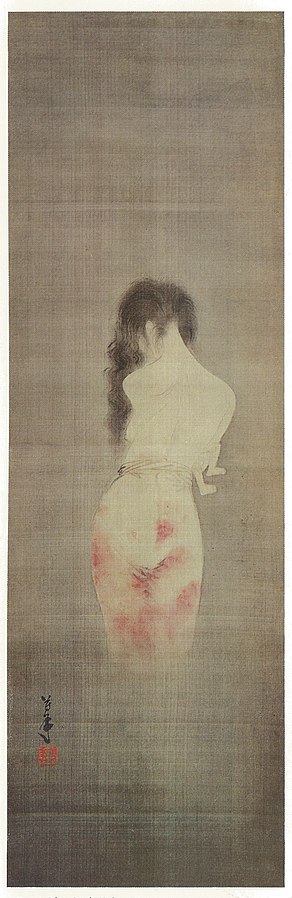
“Ghost of Oyuki” (1750) by Maruyama Okyo – first ex. of traditional yurei in art

In Japanese culture, the spirit or reikon, leaves the body when someone dies and goes to an in-between state awaiting funeral rites in order to be reunited with the ancestors in the afterlife. If everything is done correctly, the reikon journeys to the afterlife and becomes a guardian of the family it left behind. Sometimes, however, things don’t go well for the reikon. If the proper rites are not carried out, or if sudden or violent death occurs, the reikon’s journey is disrupted. Even strong negative emotions (revenge, jealousy, hatred, etc.) around the time of death can act to pull the reikon back to the physical world as a yūrei.  The yūrei continues to haunt until the appropriate rituals are completed or the emotions that fuel the ghost are resolved. By legend, Aokigahara is full of these persistent spirits. A likely reason for this is that ubasute, or the practice of leaving the elderly, sick or infirm out in mountain or remote locations especially during famine conditions may have been practiced here as late as the 19th century.

In more recent times, Aokigahara has become associated with suicide. The 1961 novel, Tower of Waves by Seicho Matsumoto popularized the area when he became Japan’s best-selling and highest earning author of the 1960s. In 2010, 200 suicide attempts were recorded with 54 suicides. To curb the association with this grim activity, the police no longer release data regarding suicides. Signs have been posted to discourage it. However, every year searches are made, and bodies are recovered.

Yurei (1800s) by Tsukioka Yoshitoshi

The two Hollywood movies that have been made about the forest are The Sea of Trees (Matthew McConaughey, Ken Watanabe, Naomi Watts) and The Forest. Both are good and might deserve another viewing. Happy Halloween!


To find my books, click on the link below.

https://amzn.to/2TZOB9h

Leave a comment

Filed under Halloween

GHOST TOWN!

I’m finishing a novel set in Colorado at the turn of the nineteenth century. Part of the tale includes my protagonist traveling to a high-altitude mining town. Research for the book allowed for an excursion into the Colorado mountains. Ghost towns are boom and bust towns related to the mining industry that flourish for a short time but then are abandoned. They are not particularly known for ghosts, but I’m sure a few linger…

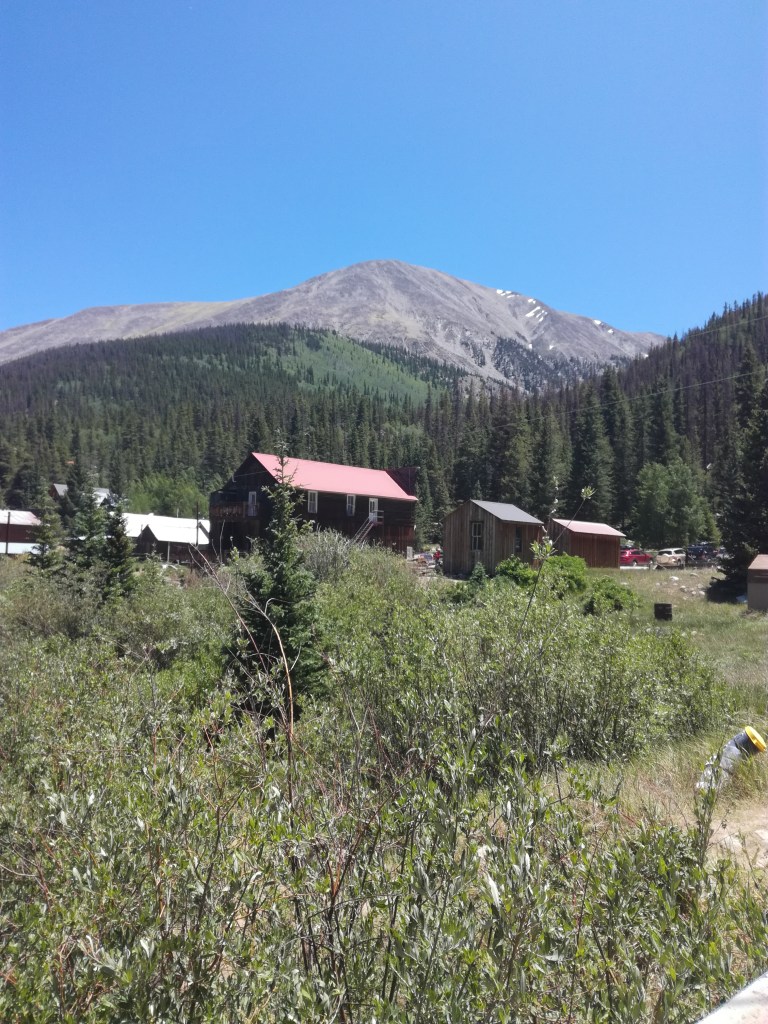
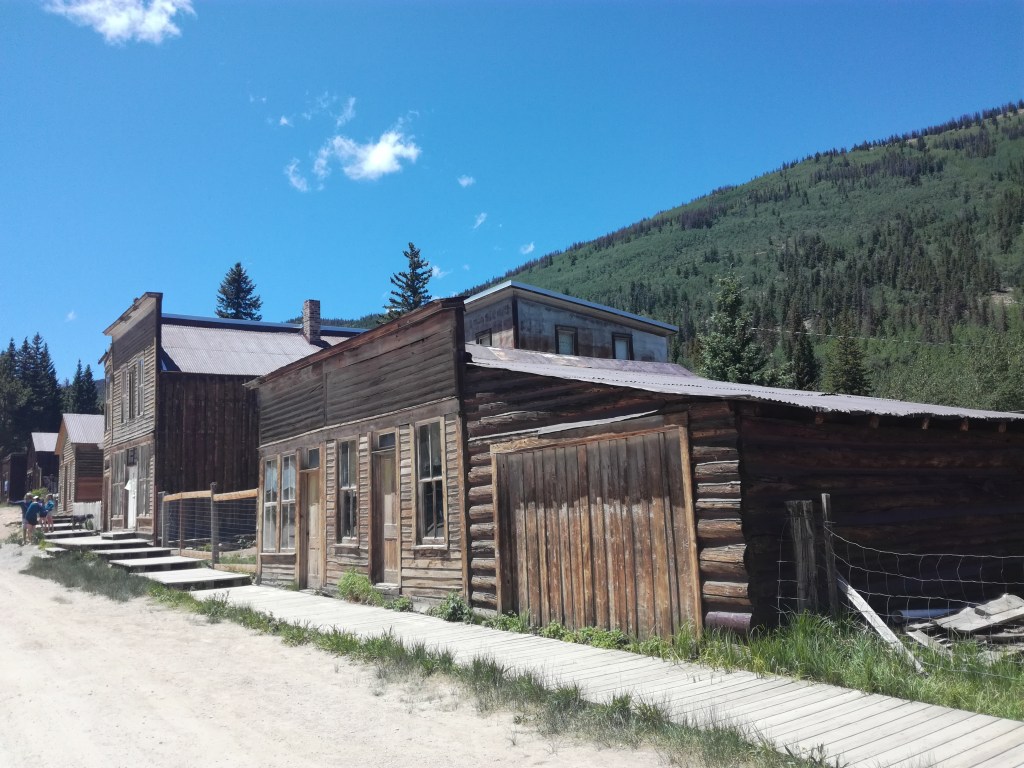
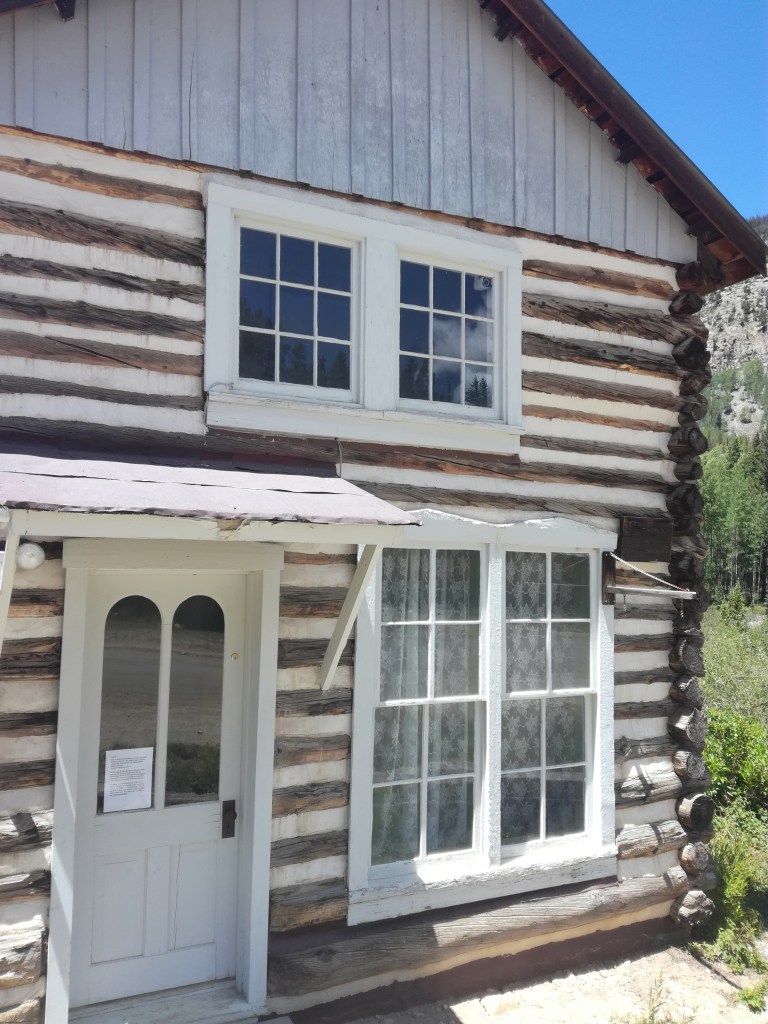
The photos show some of what remains of St. Elmo today.

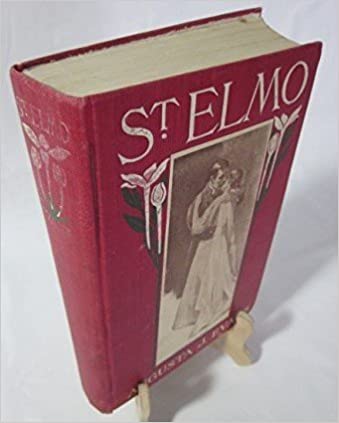
The town was founded in 1880 and originally named Forrest City. It was changed when several other towns also used that name causing confusion. One of the founding fathers happened to be reading a book titled St. Elmo and was inspired by the romantic tale. Gold and silver mining drew people to settle there.

At its height, St. Elmo had about 2000 residents (mostly male, typical of all mining endeavors). The town center included several hotels and saloons, a general store, a telegraph office, a newspaper office, a town hall, and a schoolhouse. No mention of a church nor the prostitution cribs (in some places like Cripple Creek, we know where the “Red Light District” was).

There were 150 mine claims in the area, but the majority of men worked at only four of the biggest mines. The largest and most productive was the gold mine called the Mary Murphy which operated until 1922 recovering $60 M through the years. A railroad ran through St. Elmo allowing the town access to supplies.

Although the Mary Murphy continued to be profitable many of the other claims failed. By the 1920s, the town had been in steady decline for years. By 1958, the place was a virtual ghost town although a few people still reside in the houses photographed.

Nowadays, most of St. Elmo is considered private property. You are allowed to photograph from a proscribed distance, but the buildings are not necessarily deserted like they are in some more remote ghost towns of the west. In fact, St. Elmo is considered to be one of the most accessible Colorado ghost towns (despite the long drive on unpaved road) because you can actually drive up to it. Many require hiking through remote parts of the state.     

So if you read about Tallulah visiting Teller City searching for her long-lost Ma, you’ll know I’m waving from St. Elmo!

14 Comments

Filed under travel

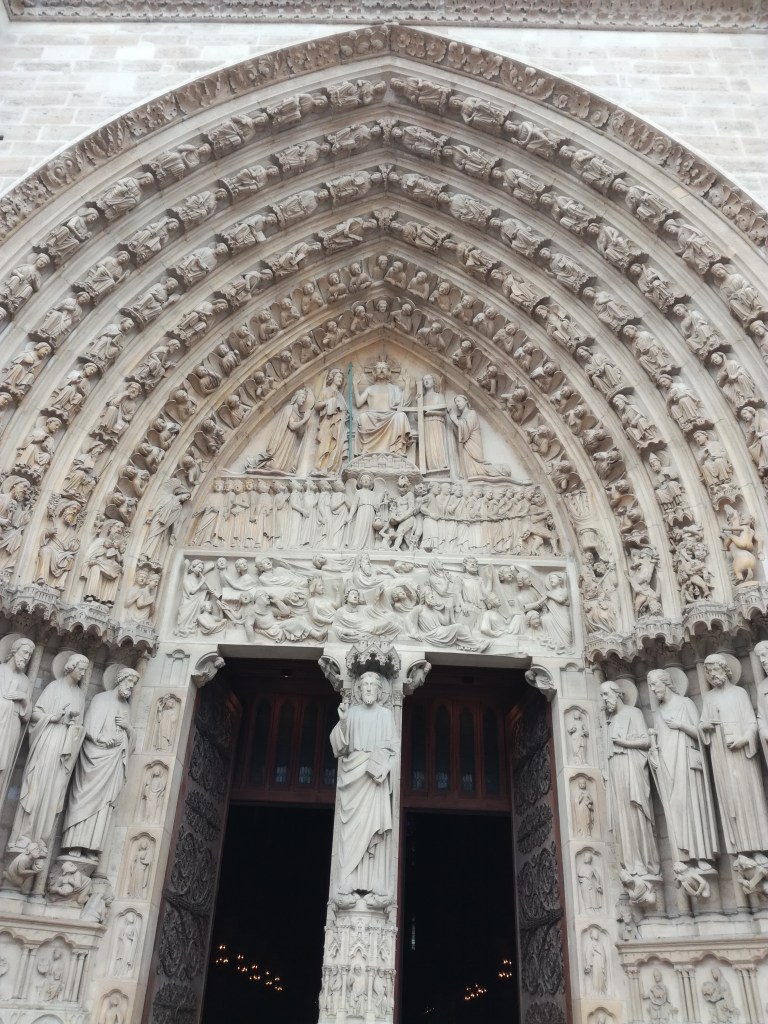
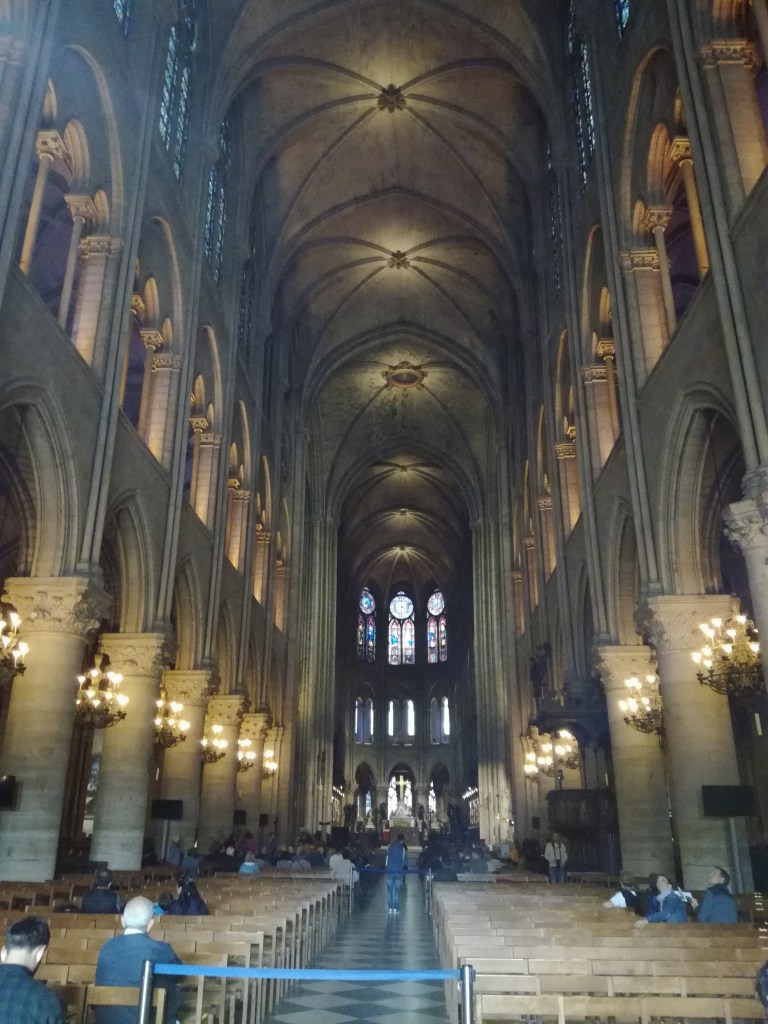
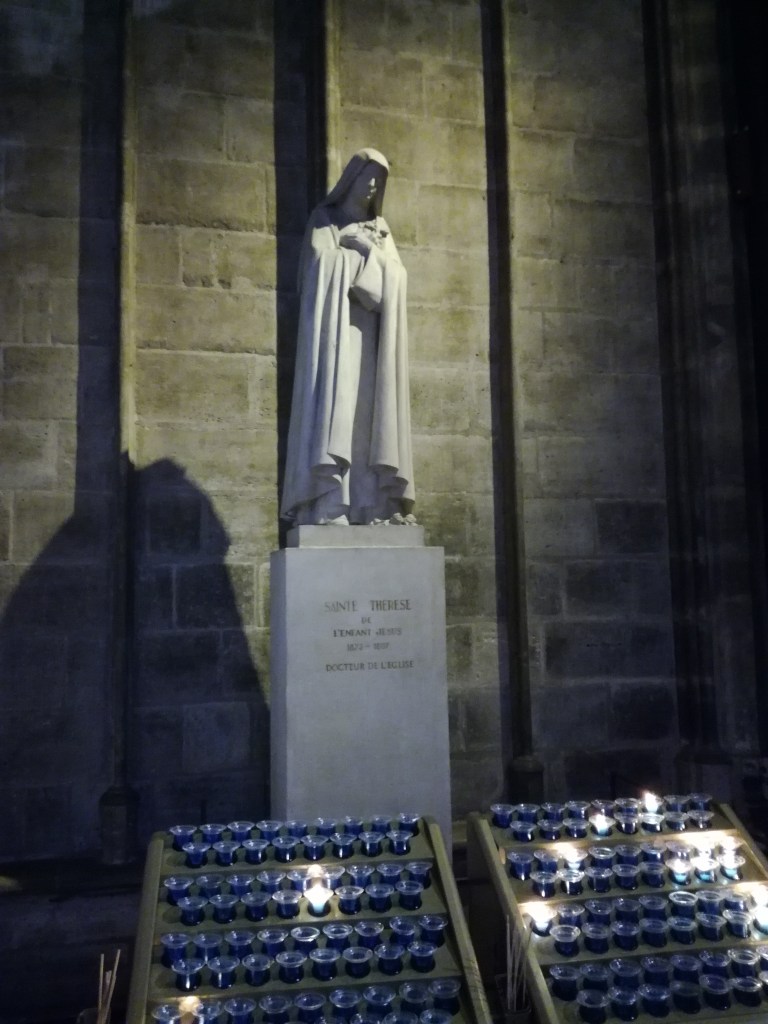
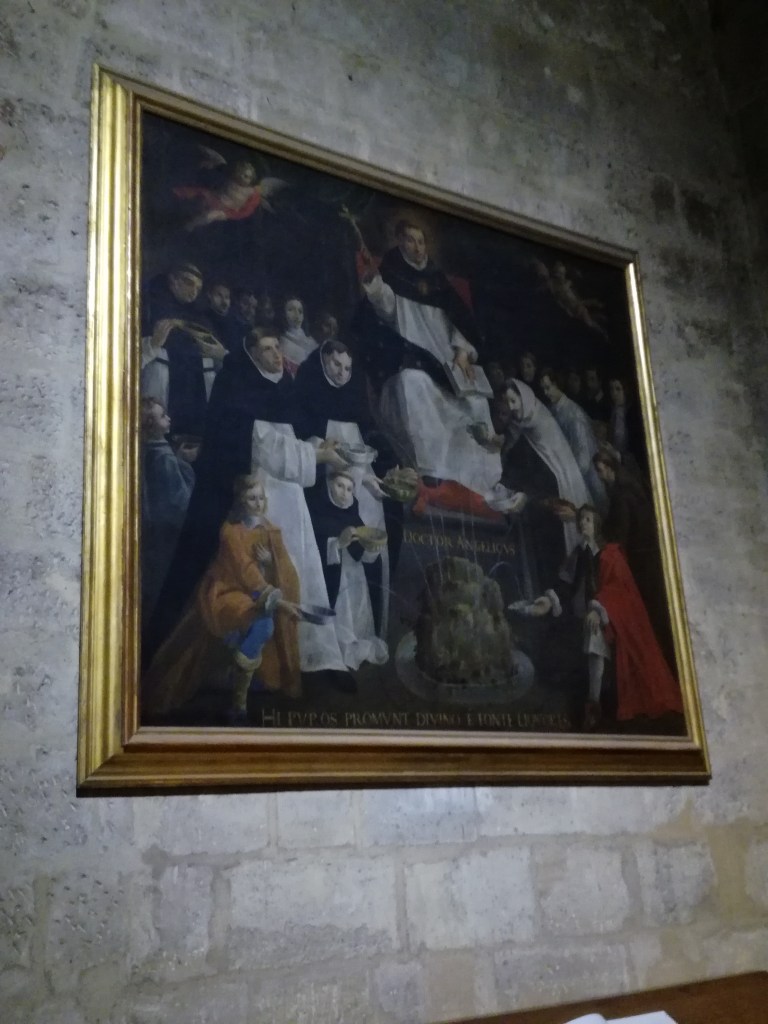
Notre Dame Photo Gallery

These photos are from a trip to Paris in September 2018. It was the last bit of traveling we did in Europe before returning to the US.

dav
dav
dav

My book links:

TIMELESS TULIPS, DARK DIAMONDS

https://amzn.to/2WnlqZX

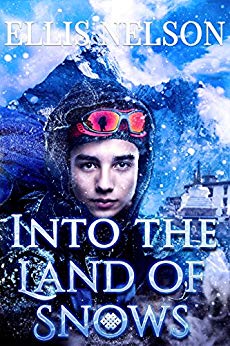
INTO THE LAND OF SNOWS


https://amzn.to/2UoiSc7

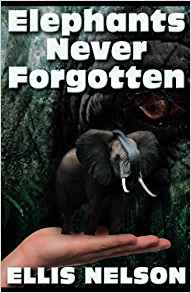
ELEPHANTS NEVER FORGOTTEN

https://amzn.to/2V6JItI

9 Comments

Filed under travel

SNEAK PEEK

Here’s the new cover just in time for Halloween!

45041834_180533999538310_972850795949064192_n

https://amzn.to/30oq1NL

1 Comment

Filed under book launch

See You on the Other Side

The European adventure is over! I’m going home. New house, new community, and a new book release. Are you ready for a ghost story? I’ll be back in Colorado next week and life starts again!

Colorado

4 Comments

Filed under author news

HALLOWEEN GREETINGS

FINAL REST: PERE LACHAISE

The Pere Lachaise Cemetery in Paris is the most visited cemetery in the world. On a recent trip, I visited this vast, interesting place. Famed for being the first garden cemetery, it opened in 1804 but there isn’t much space devoted to what we would think of as gardens. Instead, the cemetery is chock full of ornate, closely placed tombs. If you’ve visited the cemeteries of New Orleans, you’d feel right at home here. The sixty-nine thousand tombs cover a range of architectural styles, but the Gothic crypt seems to predominate in the older sections.

Although there are over one million interred in the cemetery, and there is a waiting list today, it wasn’t always a popular burial site with Parisians. Located far outside the city when it opened, and not being attached to a church, made it an undesirable final resting place. So a bit of creative marketing helped it along. First, Jean de La Fontaine (poet) and Moliere (playwright, actor, and poet) were buried there. Burying the famous in the Pere Lachaise Cemetery increased its popularity. A decade or so later, the purported remains of Abelard and Heloise (the famous lovers) were moved to the cemetery and then Parisians clamored to get in. By 1830, the cemetery had thirty-three thousand graves!

Today, people visit the Pere Lachaise to see the tombs and architecture, and the graves of the famous. Americans are probably most interested in Jim Morrison’s grave. There’s an interesting story on how he came to be interred here. He died in Paris, but cemetery officials weren’t interested in offering a musician a place. They were persuaded when they found out he was working on a novel. The cemetery has many famous writers including Balzac, Proust, Gertrude Stein, and Oscar Wilde. The graves of composer Frederic Chopin and actress Sarah Bernhardt can also be visited.

bty

bty

Oscar Wilde

bty

Hahnemann- father of homeopathy

16 Comments

Filed under travel