Category Archives: travel

THIS IS CANADA!

(from the song)

This Is Canada
Maple Syrup ‘N Log Cabins, Eh
Kick Your Ass All Hockey Season, Eh
Mounties Be Ridin’ Horses, Eh
Yeah, This Is Canada
Furry Woodland Critters In Our Zone
We Got The Best Weed Ever Grown
We Got The Best Bacon Ever Known
This Is Canada

The adventure starts. Four days on the road from Denver with two senior cats who made traveling rough. But then, they weren’t consulted about the trial escape made necessary after Trump was elected. Total shock about that election led to a plan that was whittled down to leaving for just three months to the great white north. Here, we’ll avoid the 24-hour news cycle and do a bit of local travel. Read some books, take an online class.

We’re about six miles north of the border and about an hour east of Vancouver in a rural area that grows blueberries, hops, brussel sprouts, and where neighbors sell eggs to each other at prices Americans would go crazy over right now. Bird flu has not ravaged small Canadian poultry farms.     

Canada has always been a nation known for its friendliness, its niceness. They were (and should be) our closest ally. In a way, we’re like cousins—sharing a continent, history, and values.  I remember 9/11 when flights were grounded in Canada and how Canadians took people into their homes. I remember how recently Canadian firefighters helped with the LA fires. There are countless other times, Canadians have had our backs and we’ve done the same. But the times are changing.

“Elbows up!,” Canada cries in a hockey phrase that means defend yourself. Immigration to Canada is difficult and has become more difficult recently. Canadians are cracking down just like a lot of the rest of the world. Americans can still cross the border to travel in Canada, but residency is altogether a different thing. You can come as a student, with a Canadian job (a company here would have to sponsor you), or a relative in Canada could sponsor you. Even after my son attended a four-year university and obtained his degree, he found it virtually impossible to remain in Canada (and that was a decade ago BEFORE the new restrictions involving quotas). The only way for me to feasibly immigrate to Canada would have to involve a sponsorship where my son would immigrate first (by first obtaining a Canadian job), and that would open a grandparents’ option. I bring this up because there has been interest from people in how to leave the US and Canada does feel like the easy answer. I wish it were.

Canada feels a lot like the US but there are differences. We’re saved from the language issue we faced in Belgium when we lived there. But products contain French directions and ingredients. Packages are in grams and kg. The sizes and choice of items are different. 3% milk (it’s a choice here)? Spreadable butter seems exotic and difficult to find. We haven’t found a breakfast sausage that suits yet. There’s a mixture of pork and ground beef widely available. That’s not commonly found in the US, but we did see meat mixtures in Europe. Many American products are on the shelves but we’re trying to buy Canadian (since we are ashamed of the deranged orange one). Canadian products are increasingly being marked by a red maple symbol in the store and there is an active movement among Canadians to buy Canadian. Every time we go shopping; I experience sticker shock. The exchange rate means that I have to discount everything by about 30% just to accommodate for the currency difference. Still, things feel more expensive.

Yesterday, we filled up the gas in the car for the first time on this side of the border. My husband got out to pump it. An attendant came out to do full service and my husband was stunned. When was the last time you didn’t pump your own gas?

Driving around we notice many American chain stores and restaurants but there are uniquely Canadian ones, too. At this point, we’ve only explored a small mall and there aren’t any significant differences to report. London Drugs was the biggest “drug” store I’ve ever been in. It resembles a small department store. You can buy furniture and TVs there.

We have settled into the day-to-day necessities and will be turning more towards travel. I hope to post more about what we see and experience. But at the same time, this away from home time is a time of preparation for what’s to come. I’m trying to fill in some gaps in education that I think are necessary. I’m finishing up a course on the Constitution, a book on fascism, and a dive into class war is upcoming. All heavy topics-but that’s where we are.

14 Comments

Filed under travel

GHOST HUNTING AT THE STANLEY HOTEL

I’m not a big Stephen King fan but I’ve known for decades that Estes Park, Colorado is home to the inspiration for his writing, The Shining. It’s alleged to be a very haunted place and consequently easily made my list of places I wanted to visit. But for decades, we merely drove by the stately hotel on our way to Rocky Mountain National Park.

That changed this year when my husband booked us overnight at the hotel and signed us up for the nightly ghost tour. Fun stuff.

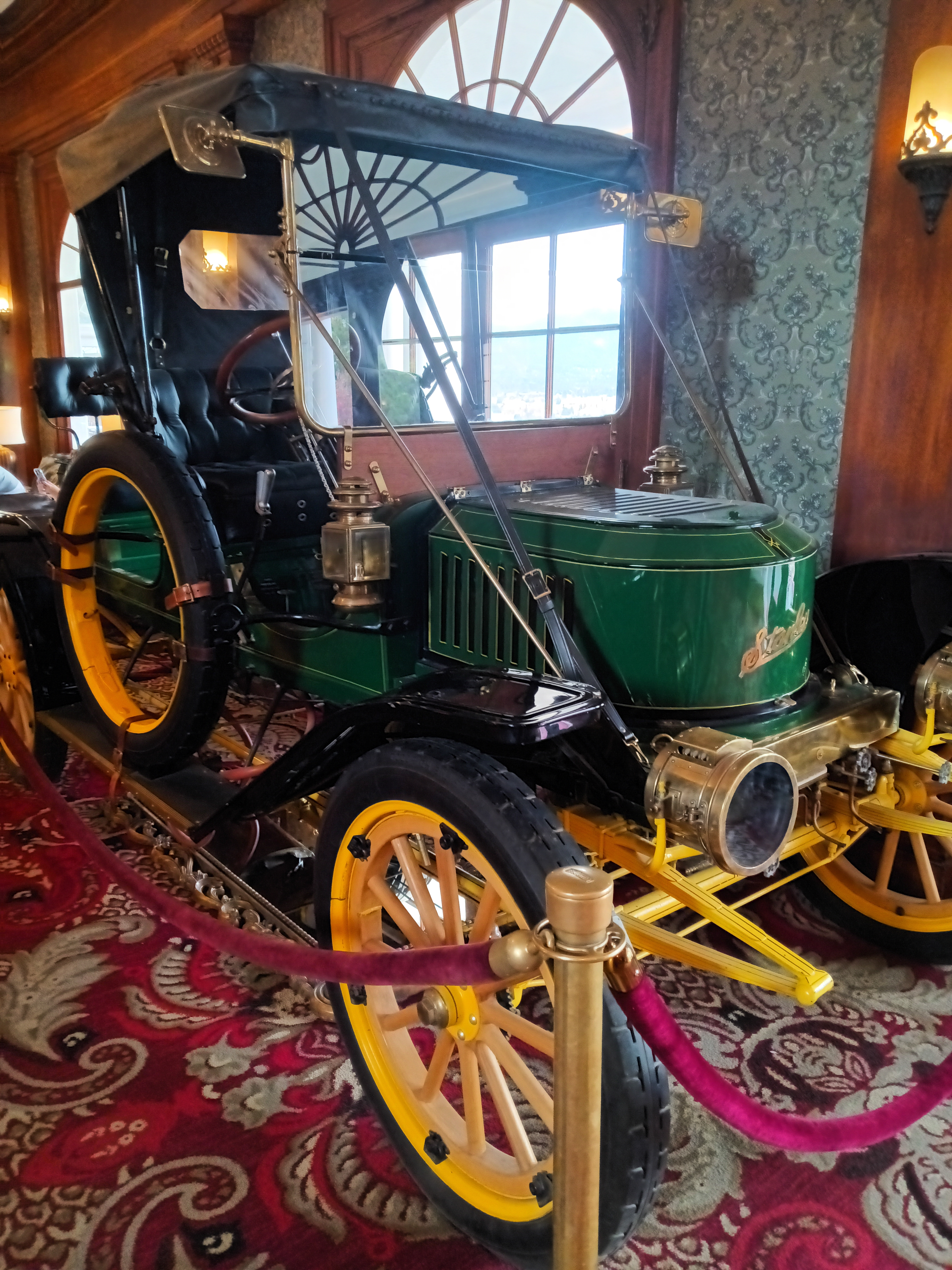
Like many of Colorado’s commercial starts, the Stanley wouldn’t have happened without the tuberculosis epidemics of the late 19th and early 20th century. The founder of the magnificent Colonial Revival hotel perched on a hill at the gateway to the Rockies, FO Stanley, suffered from consumption and was told to go West to seek his cure. By this point he was already rich and successful from the photography business and steam powered automobiles. Arriving in Colorado in 1903 in poor condition, he spent a summer at high altitude and recovered his health. So much so that he vowed to spend every summer back in Estes Park. However, the rough Rocky Mountain town was not up to snuff for the wealthy East Coast inventor, entrepreneur, and architect. He felt it necessary to add hotelier to his resume.
Over the next few years, FO and his wife went about building a huge edifice with all the modern accoutrements necessary to rival the hotels back home. The elegant Stanley Hotel boasted electric lights, telephones, ensuite bathrooms, a staff of uniformed servants, and a fleet of automobiles for guests. It’s been joked that Stanley had two things that a good hotelier needs—deep pockets and no children. The Stanley opened its doors to its East Coast clientele but never really made money. FO sold the hotel in 1930 to a Denver businessman.

By the time Stephen King and his wife spent their famous night at the Stanley in 1974, it was showing its wear. Nevertheless, the deserted hotel being prepared for closing for the season, sufficiently creeped out the horror writer and he walked away with the outline for a blockbuster book. The Shining would revitalize Stanley’s folly at the foot of the mighty Rockies.

And now I’m there, too!!

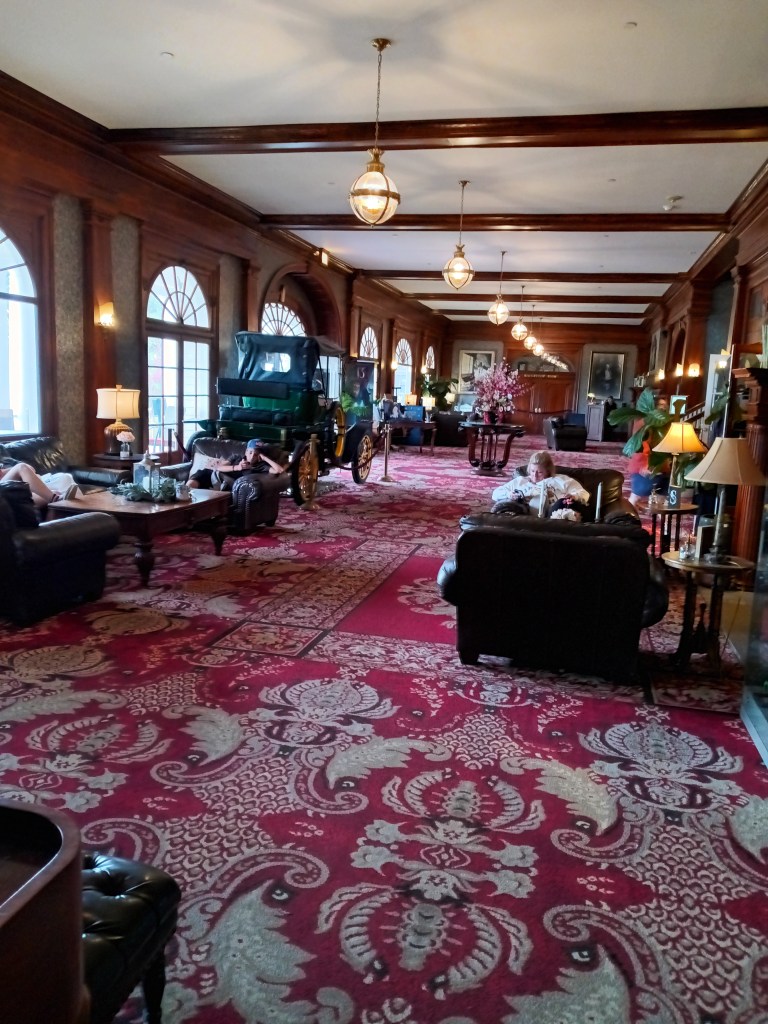
The Stanley is a pretty and well-maintained place. Lately, hotel management has been making a concerted effort in making it more of a destination vacation spot. They host concerts in their own hall, magic shows, and…seances. At least what they are terming “theatrical seances.” These seem to be small audience, scripted (?) events. I think they’d do better to try something more authentic (but that’s just me). There are several restaurants and a café on site. Also offered are a choice of rooms and locations around the sprawling grounds. We stayed in the main building on the 4th floor. The King’s were in Room 217 (and that suite is dedicated to Stephen King). If you stay in the hotel, all the floors are open to you, and we walked all of them. Surprisingly, the hotel feels light and airy. Remember, we were there in May when the Rockies are kind and in full tourist season swing and not closing for a long winter sleep.  

A group of about twenty of us gathered for the ghost tour at 8pm on the lowest level. Our guide gave us a brief history of FO and the hotel before we set off to explore the grounds. We were taken into various external buildings, underground levels, and through parts of the main building that are normally off-limits to everyone else.

It seems that individual guides chose what to include or how to structure their tours. Our guide showed us lots of photos taken by previous guests and other guides in the recent past. I would have expected misty images and floating orbs—that kind of thing. Instead, there were actual pictures of what looked like real, solid people in places they shouldn’t be. A red-eyed girl looking through the railing of a staircase. An indistinct dark form of a person standing between two real people. What to think of those? Stories of the different locations were imparted. A vagrant dying in the basement. An Irish Earl fond of pinching the ladies. All along we were encouraged to snap photos. Sadly, I caught nothing but a misty light anomaly in the theatre. Who knows? I was never scared even though we were plunged into darkness often enough. Several guests were creeped out by the haunted mirror. Still, an amusing way to spend an evening. The theatre does have a certain energy about it.

(room where Mrs. Stanley held seances & Molly Brown played pool violating societal rules)

I highly recommend a stay at The Stanley if you get the chance. It is pricey but the history and views are wonderful.

MY GHOST BOOK:

Book available: https://amzn.to/2l7LhHP

When fourteen-year-old Lydia travels to Amsterdam with her parents, the last thing she expects is the weird incidents that plague her stay. Curtains flutter mysteriously, and unexplained shadows move through the kitchen unnerving her. But Lydia is more concerned with the potential move to upstate New York. She dismisses the odd occurrences blaming them on jet lag and the various symptoms of her migraine disease.

When Lydia’s father lands a new job and the family moves to an area first settled by the Dutch, the bizarre happenings continue. Suffering from migraines has never been easy, but now Lydia has to contend with what she may have inadvertently brought home with her.

18 Comments

Filed under travel

Cherry Blossoms in Japan

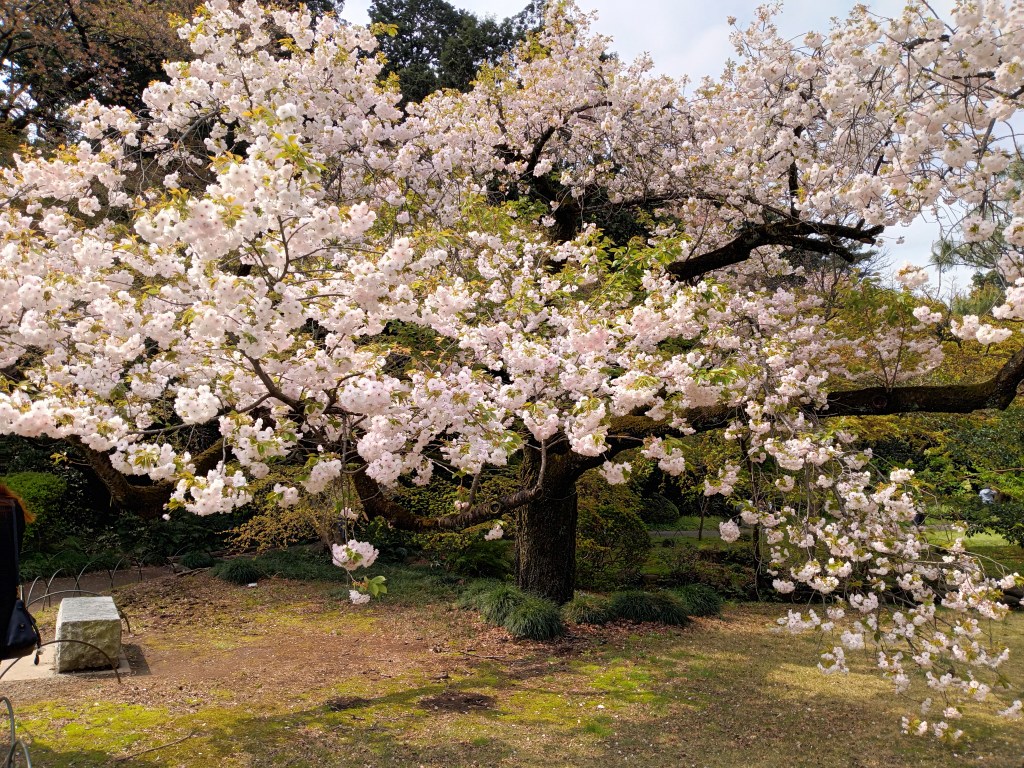
In early April, we were in Japan for cherry blossom season. Once upon a time, many varieties of cherry blossom flourished in the land of the rising sun. But like everything else the coveted tree was subject to change. Diversity gave way to a preference for one variety and a neglect for all the rest. By the 1880s, cities were already showing a marked dominance for that kind of pretty pink tree, absent early green foliage. Japan planted millions upon millions of them and monoculture took hold. These are those fabulous branches of blossoms that frame quintessential photos of Mt. Fuji or geishas on bridges. And they captivated me, too. After all, we had seen tulips in Holland and lavender in Provence…

In Japanese culture, cherry blossom season marks the beginning of new life, new starts, and all new things. School children start new term, promotions and new jobs begin, nature springs forth. It makes sense. Families take blankets into parks and spread them under the cherry trees to have picnics. The blooming season for most trees is short, eight days. A reminder that human life is short too, don’t waste it. As we traveled to various regions, we would catch the trees in different parts of the life cycle. And although monoculture has left its imprint, we did spot some different varieties in botanic gardens and wild places. On one mountainside, my husband thought he spied low-lying clouds only to be delighted by a wild plot of white, cherry trees mimicking clouds. And I fell in love with the wispy, weeping cherry form.  

FOR MORE, CHECK OUT THESE BOOKS:

The Sakura Obsession: The Incredible Story of the Plant Hunter Who Saved Japan’s Cherry Blossoms by Naoko Abe (story of Collingwood Ingram, an Englishman who became a leader in saving cherry trees and assuring species diversity by sending specimens throughout the world.)

Cherry Blossoms in Japan by Partha Protim Hazarika (photos)

Cherry Blossoms of Kyoto: A Seasonal Portfolio by Kodansha International (editor), Hidehiko Mizuno, Kayu Mizuno

(photographers)

To find my books, click below:

https://amzn.to/2TZOB9h

ASTROLOGY SERVICES:

13 Comments

Filed under travel

GHOST TOWN!

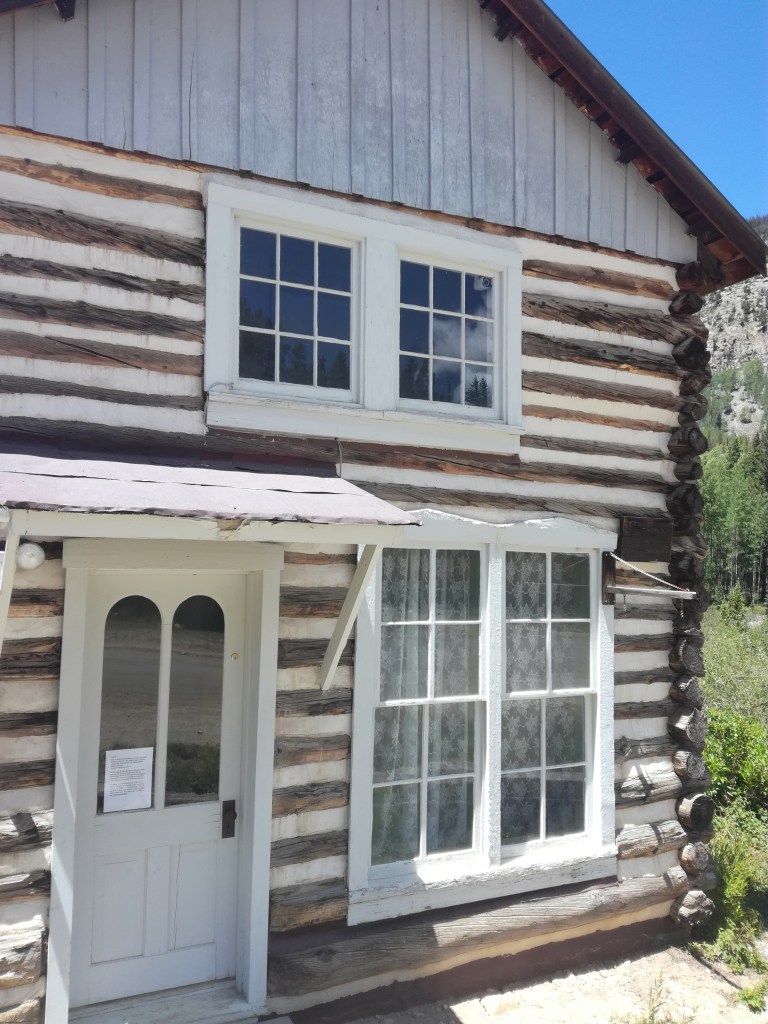
I’m finishing a novel set in Colorado at the turn of the nineteenth century. Part of the tale includes my protagonist traveling to a high-altitude mining town. Research for the book allowed for an excursion into the Colorado mountains. Ghost towns are boom and bust towns related to the mining industry that flourish for a short time but then are abandoned. They are not particularly known for ghosts, but I’m sure a few linger…

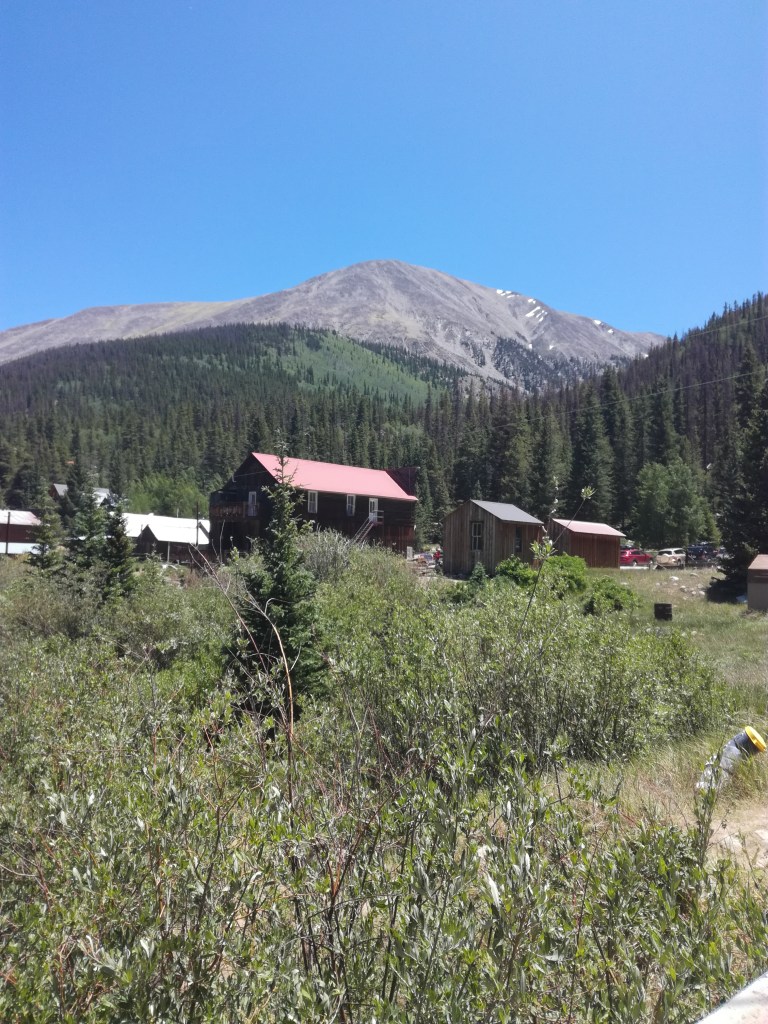
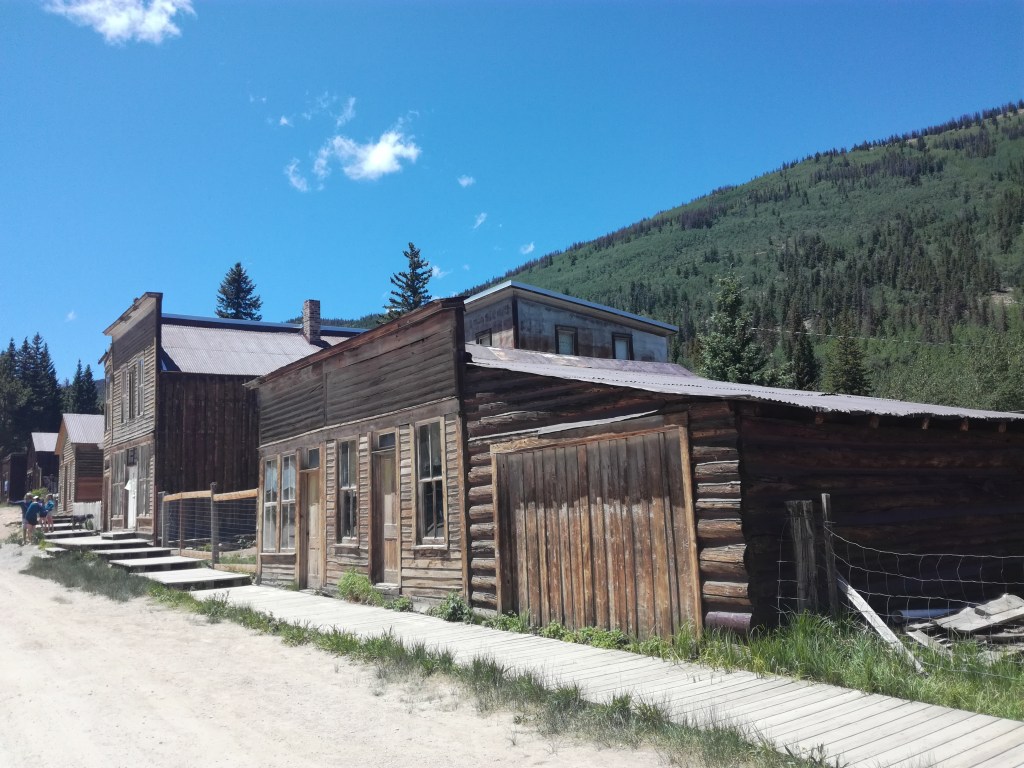
The photos show some of what remains of St. Elmo today.

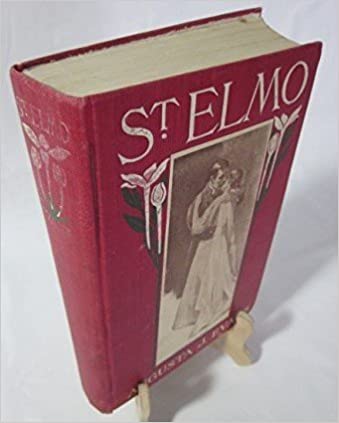
The town was founded in 1880 and originally named Forrest City. It was changed when several other towns also used that name causing confusion. One of the founding fathers happened to be reading a book titled St. Elmo and was inspired by the romantic tale. Gold and silver mining drew people to settle there.

At its height, St. Elmo had about 2000 residents (mostly male, typical of all mining endeavors). The town center included several hotels and saloons, a general store, a telegraph office, a newspaper office, a town hall, and a schoolhouse. No mention of a church nor the prostitution cribs (in some places like Cripple Creek, we know where the “Red Light District” was).

There were 150 mine claims in the area, but the majority of men worked at only four of the biggest mines. The largest and most productive was the gold mine called the Mary Murphy which operated until 1922 recovering $60 M through the years. A railroad ran through St. Elmo allowing the town access to supplies.

Although the Mary Murphy continued to be profitable many of the other claims failed. By the 1920s, the town had been in steady decline for years. By 1958, the place was a virtual ghost town although a few people still reside in the houses photographed.

Nowadays, most of St. Elmo is considered private property. You are allowed to photograph from a proscribed distance, but the buildings are not necessarily deserted like they are in some more remote ghost towns of the west. In fact, St. Elmo is considered to be one of the most accessible Colorado ghost towns (despite the long drive on unpaved road) because you can actually drive up to it. Many require hiking through remote parts of the state.     

So if you read about Tallulah visiting Teller City searching for her long-lost Ma, you’ll know I’m waving from St. Elmo!

14 Comments

Filed under travel

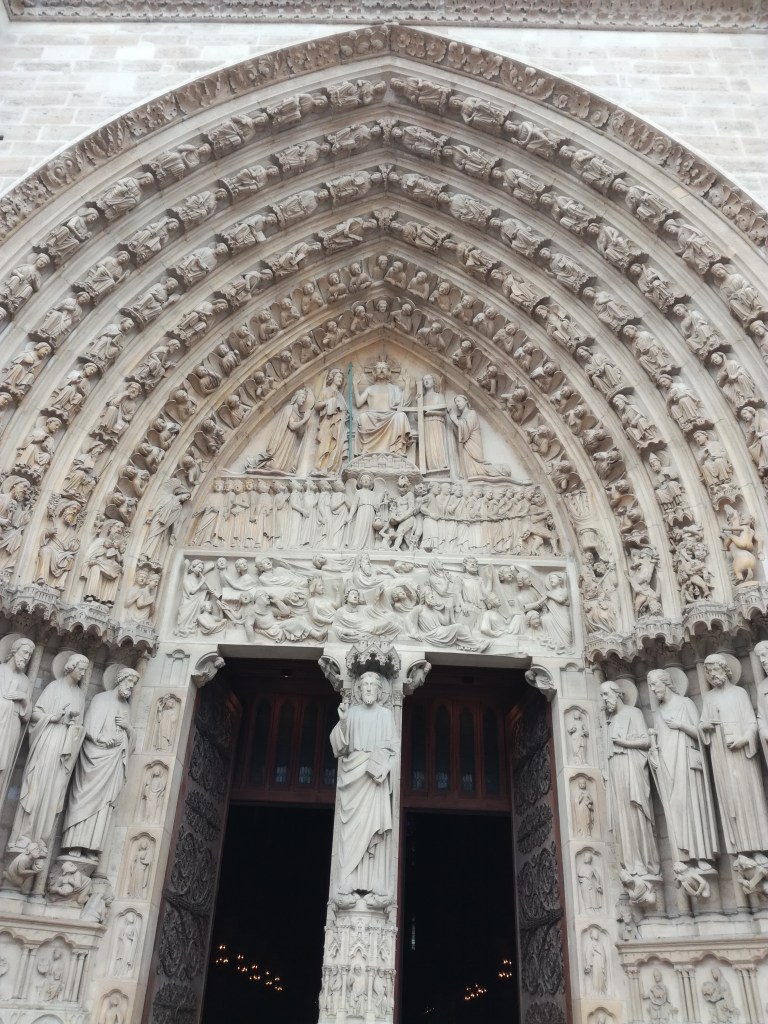
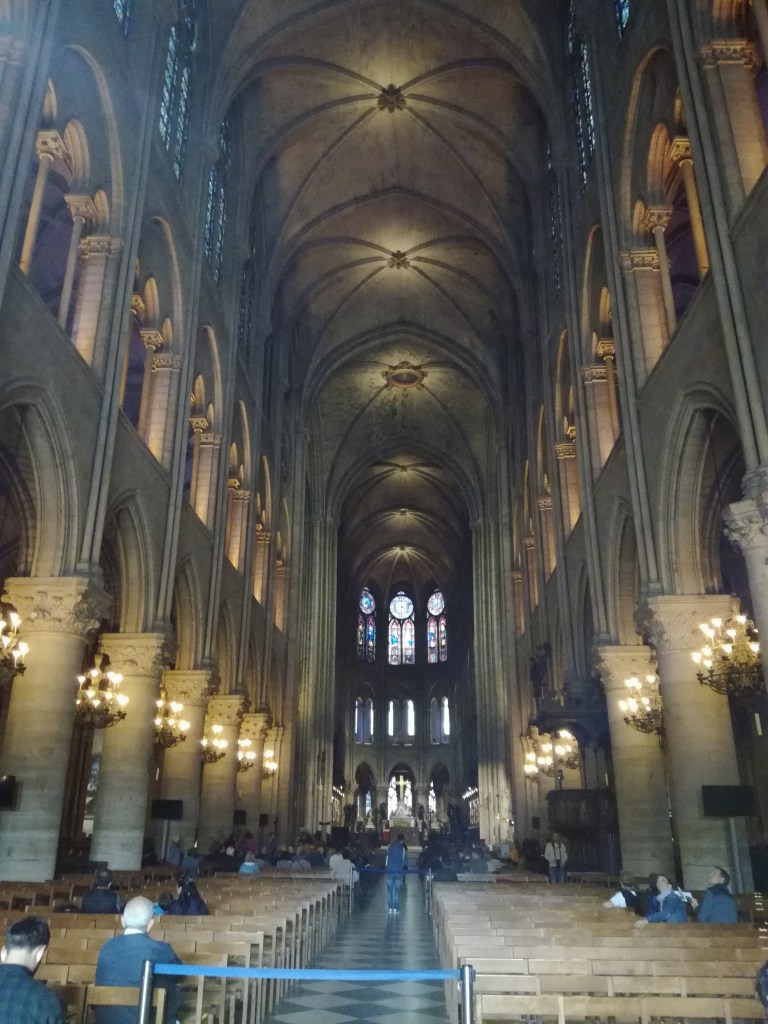
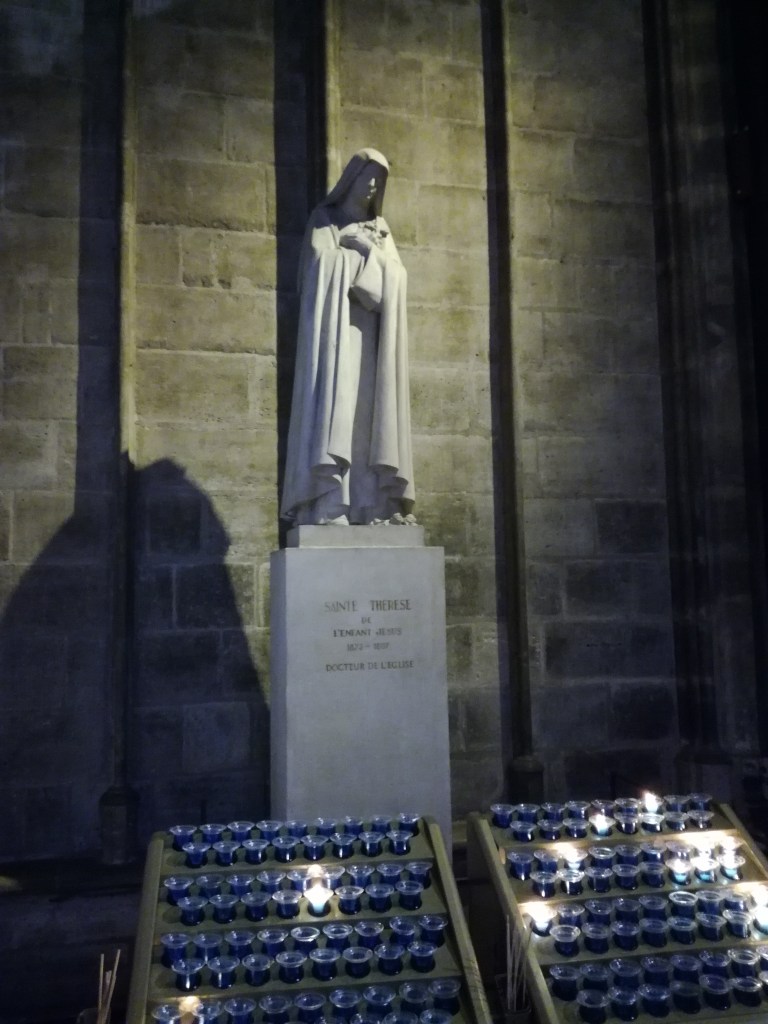
Notre Dame Photo Gallery

These photos are from a trip to Paris in September 2018. It was the last bit of traveling we did in Europe before returning to the US.

dav
dav
dav

My book links:

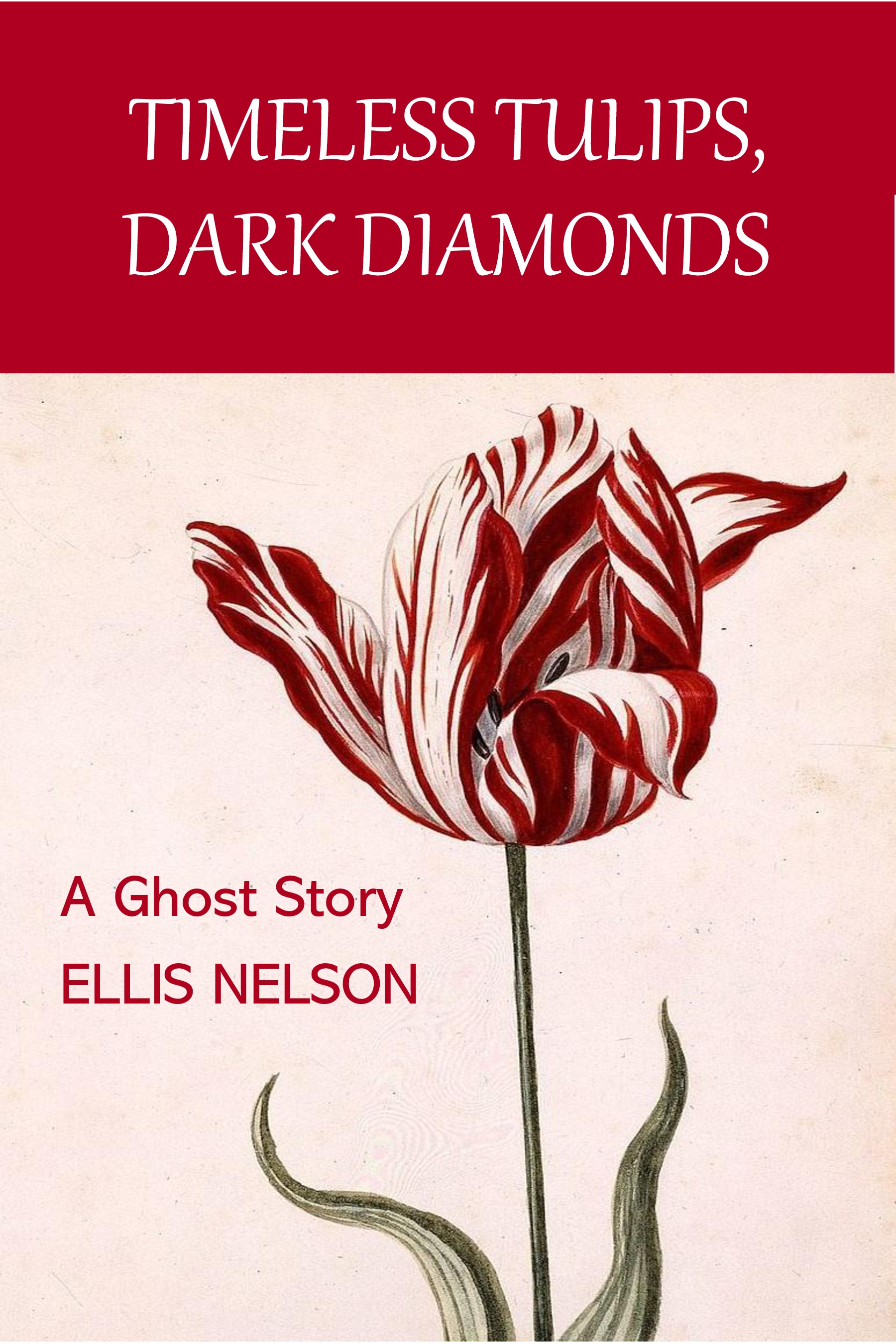
TIMELESS TULIPS, DARK DIAMONDS

https://amzn.to/2WnlqZX

INTO THE LAND OF SNOWS


https://amzn.to/2UoiSc7

ELEPHANTS NEVER FORGOTTEN

https://amzn.to/2V6JItI

9 Comments

Filed under travel

HALLOWEEN GREETINGS

FINAL REST: PERE LACHAISE

The Pere Lachaise Cemetery in Paris is the most visited cemetery in the world. On a recent trip, I visited this vast, interesting place. Famed for being the first garden cemetery, it opened in 1804 but there isn’t much space devoted to what we would think of as gardens. Instead, the cemetery is chock full of ornate, closely placed tombs. If you’ve visited the cemeteries of New Orleans, you’d feel right at home here. The sixty-nine thousand tombs cover a range of architectural styles, but the Gothic crypt seems to predominate in the older sections.

Although there are over one million interred in the cemetery, and there is a waiting list today, it wasn’t always a popular burial site with Parisians. Located far outside the city when it opened, and not being attached to a church, made it an undesirable final resting place. So a bit of creative marketing helped it along. First, Jean de La Fontaine (poet) and Moliere (playwright, actor, and poet) were buried there. Burying the famous in the Pere Lachaise Cemetery increased its popularity. A decade or so later, the purported remains of Abelard and Heloise (the famous lovers) were moved to the cemetery and then Parisians clamored to get in. By 1830, the cemetery had thirty-three thousand graves!

Today, people visit the Pere Lachaise to see the tombs and architecture, and the graves of the famous. Americans are probably most interested in Jim Morrison’s grave. There’s an interesting story on how he came to be interred here. He died in Paris, but cemetery officials weren’t interested in offering a musician a place. They were persuaded when they found out he was working on a novel. The cemetery has many famous writers including Balzac, Proust, Gertrude Stein, and Oscar Wilde. The graves of composer Frederic Chopin and actress Sarah Bernhardt can also be visited.

bty

bty

Oscar Wilde

bty

Hahnemann- father of homeopathy

16 Comments

Filed under travel

What’s a Beguine?

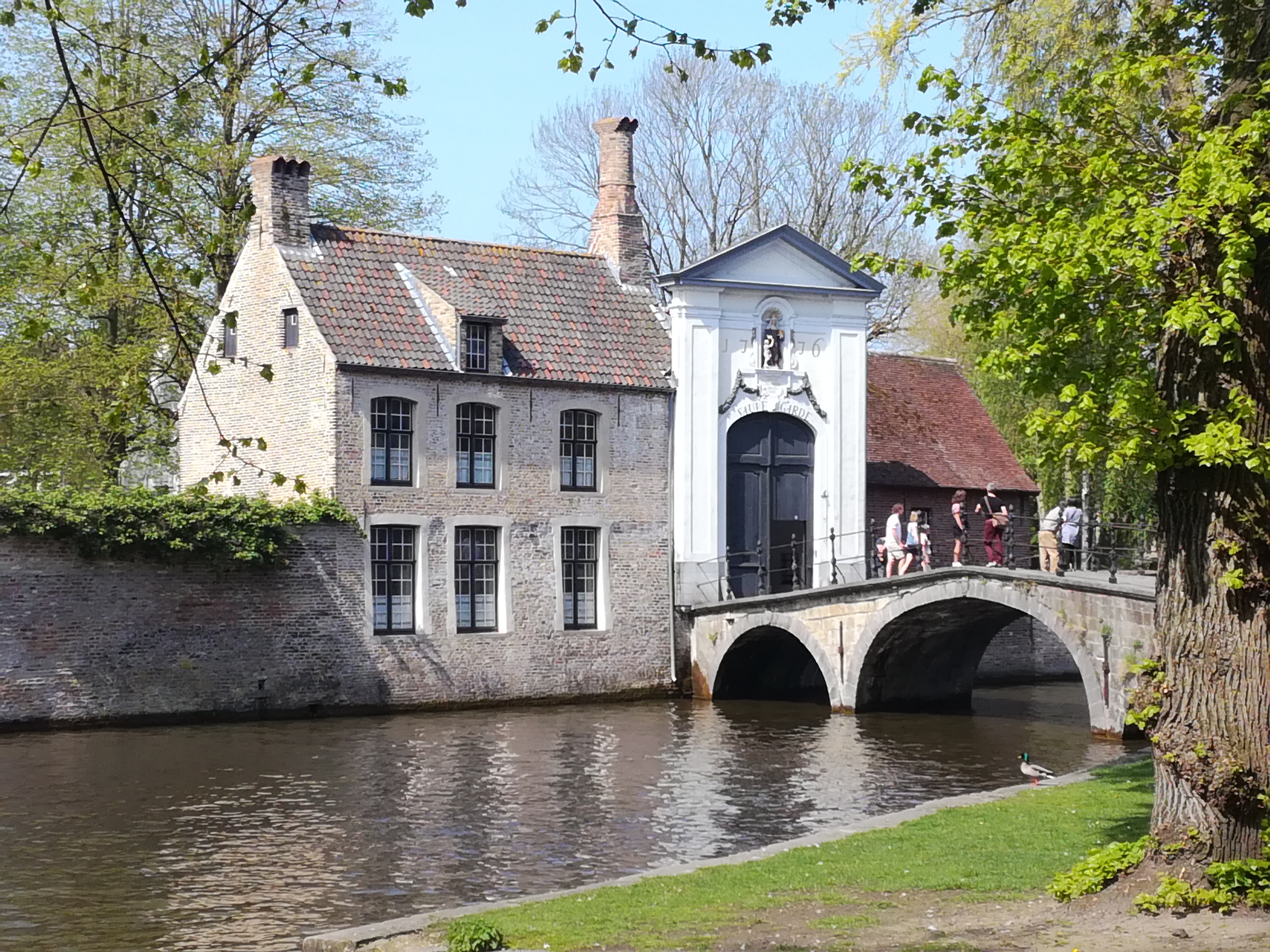
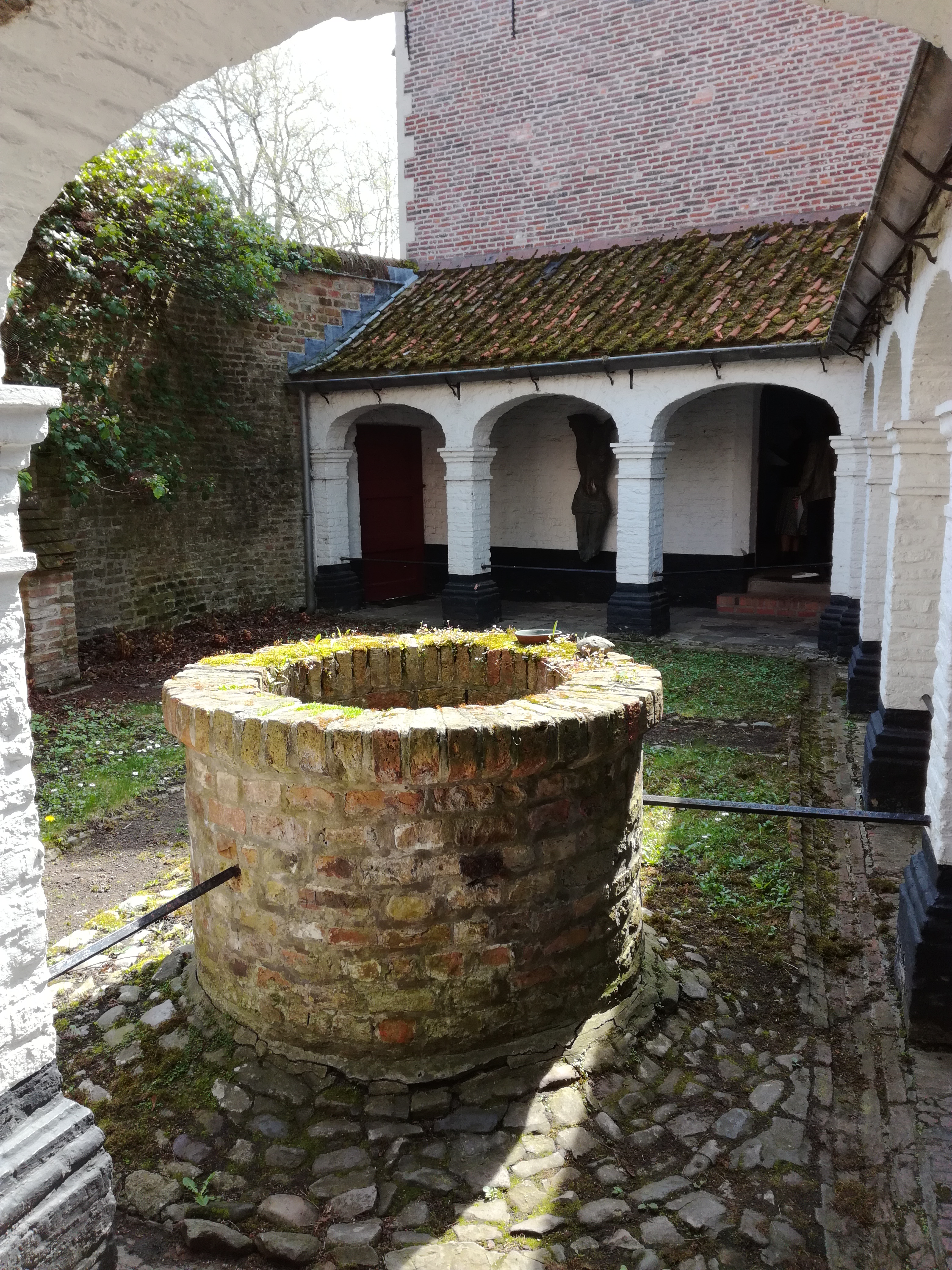
Let’s find out! I visited Bruges recently and share some of my photos below.

dav

The beguinage at Bruges (Belgium)

The 12th and 13th centuries were characterized by renewed religious fervor. New spiritual pathways emerged. Some of them were seen as heretical (like the Cathars), while others were tolerated. Franciscans and Dominicans came into existence to reorder the Church from the inside out. The beguines emerged as one of the most original spiritual pathways and they endured for hundreds of years. They can also be viewed as the first feminists.

The beguines appeared at the end of the 12th century. These women initially came from the poorer classes and sought a life of faith without taking formal vows. At first, small groups located themselves in urban settings near hospitals or abbeys. They dedicated themselves to prayer and contemplation, but worked in their communities caring for the sick. The beguines were a conundrum and a challenge to the social order. Free from the male dominance of a husband or spiritual director, the beguine was an independent entity. Her freedom also required she support herself by working. This beguine structure for the first time opened a religious path for poor women who previously had no access to it. Nuns came from wealthy classes and bought their way into the life through large dowries, impossible for poor women.

dav

There is controversy over where the first beguine community was, but we know the movement spread quickly from Flanders through Italy, France, Poland, and Hungry. Over time a communal lifestyle prevailed and took hold. The beguines lived in a beguinage that functioned as a predominantly independent community, with rights and the ability to own property. Women often sought work in the thriving textile industries of their cities. By 1240, most of the beguines in the south of Flanders were living in communities surrounded by walls, where the door was closed at night creating its own version of a monastic center. The beguines had no founder and adopted no universal rule. There was no central authority. Each beguinage was a separately functioning entity, and this was sometimes a strength and sometimes a weakness.

dav


Not surprisingly, beguine communities were the subject of much concern for the Church. The movement ran counter to the power structure and heresy was often a concern, but two papal bulls in the 13th century did support the movement. But it was not enough. Some beguines were burned for heresy while others received protection. By the 14th century, the beguines were suffering. They were subject to inquisitional authorities, and some beguinages closed losing their assets while others were absorbed into traditional monastic orders. Some beguinages persisted through the Protestant Reformation and the French Revolution, but only a few survived into the 20th century. These were clustered in Belgium including the one at Bruges.

I’ve been to several former beguinages in the Low Countries now. They are always peaceful, contemplative places. From these places, there are still echoes of women wanting spiritual space and a place in the world. Sauve Garde.

bty

Read more:

The Beguines:Women in Search of Sanctity Within Freedom -Silvana Panciera

The Wisdom of the Beguines- Laura Swan

Meister Eckhart and the Beguine Mystics– Bernard McGinn

Owl Killers– Karen Maitland (fiction), starts and ends at the Bruges beguinage

Sisters Between-Molly Connally (fiction)


16 Comments

Filed under Books, Spiritual/Mysticism, travel

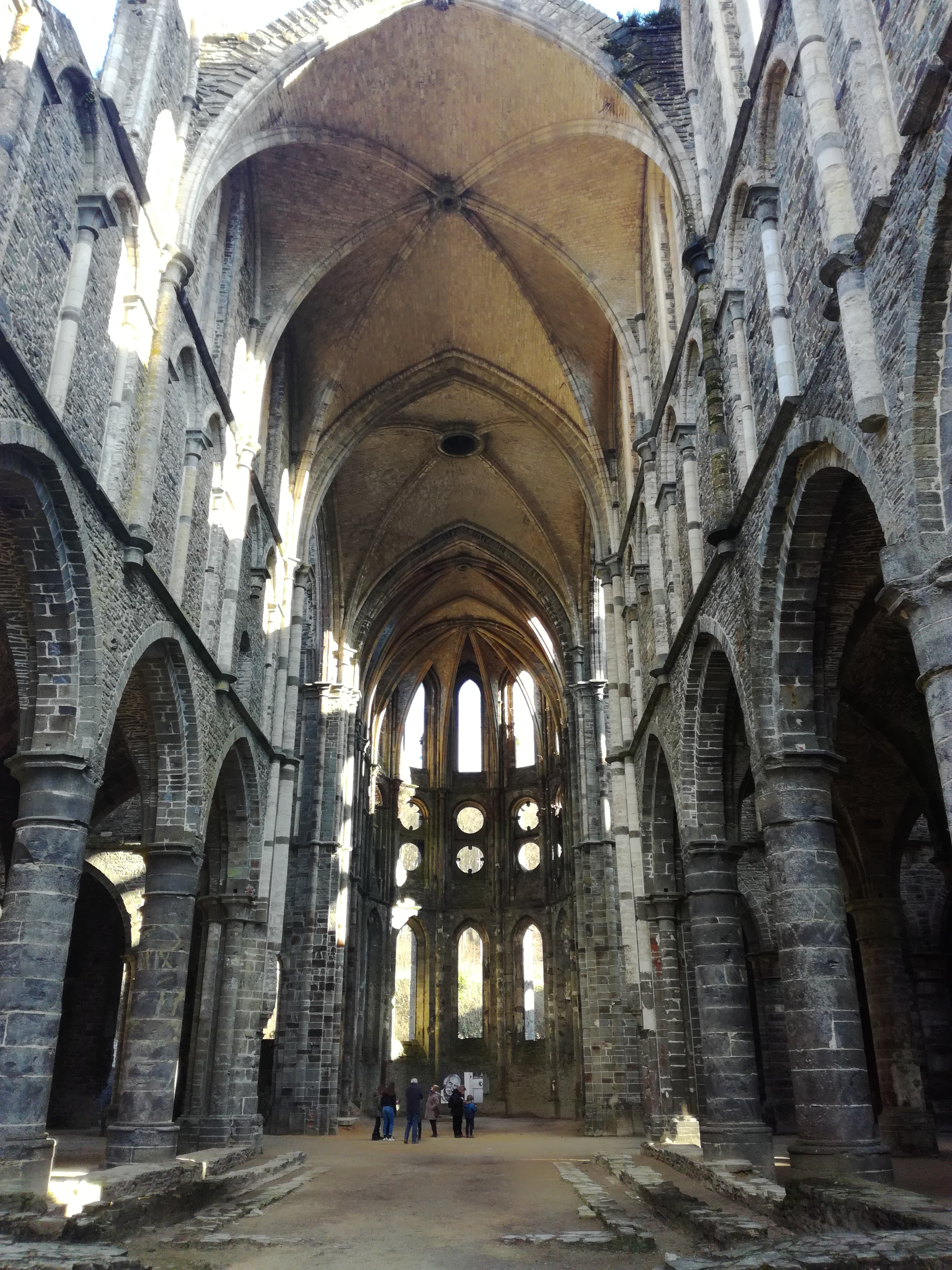
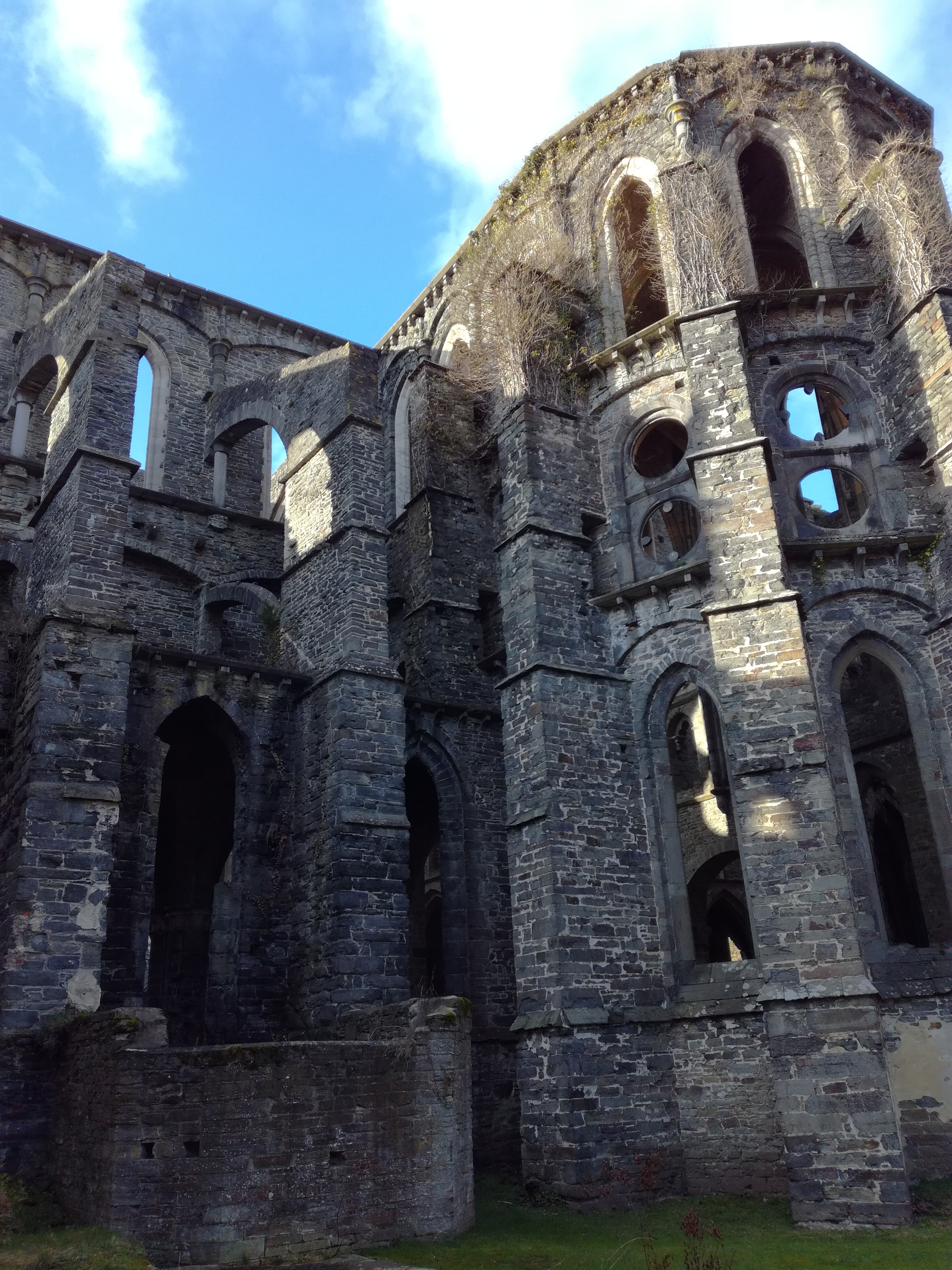
Abbey at Villers (Belgium)

bty

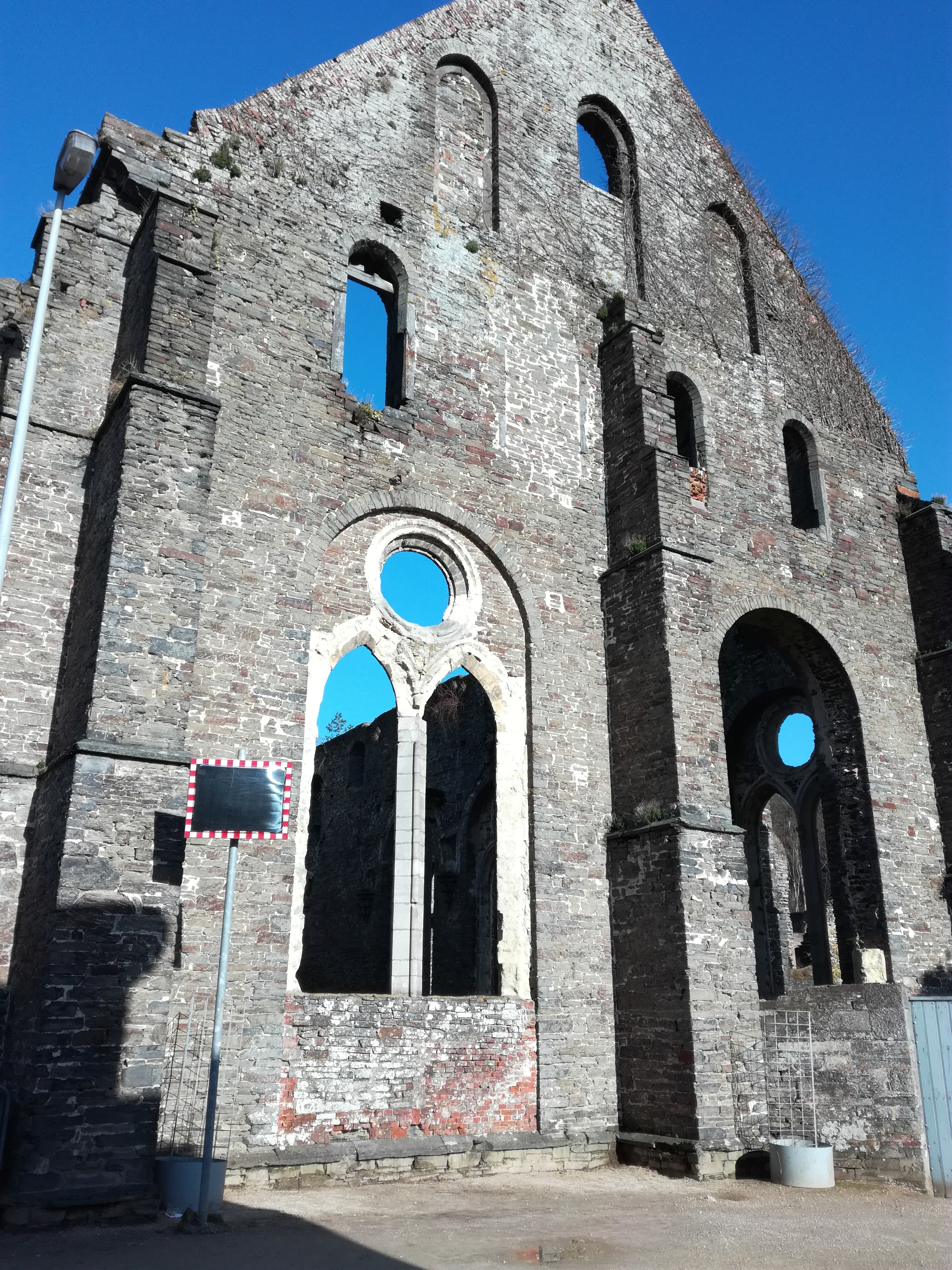
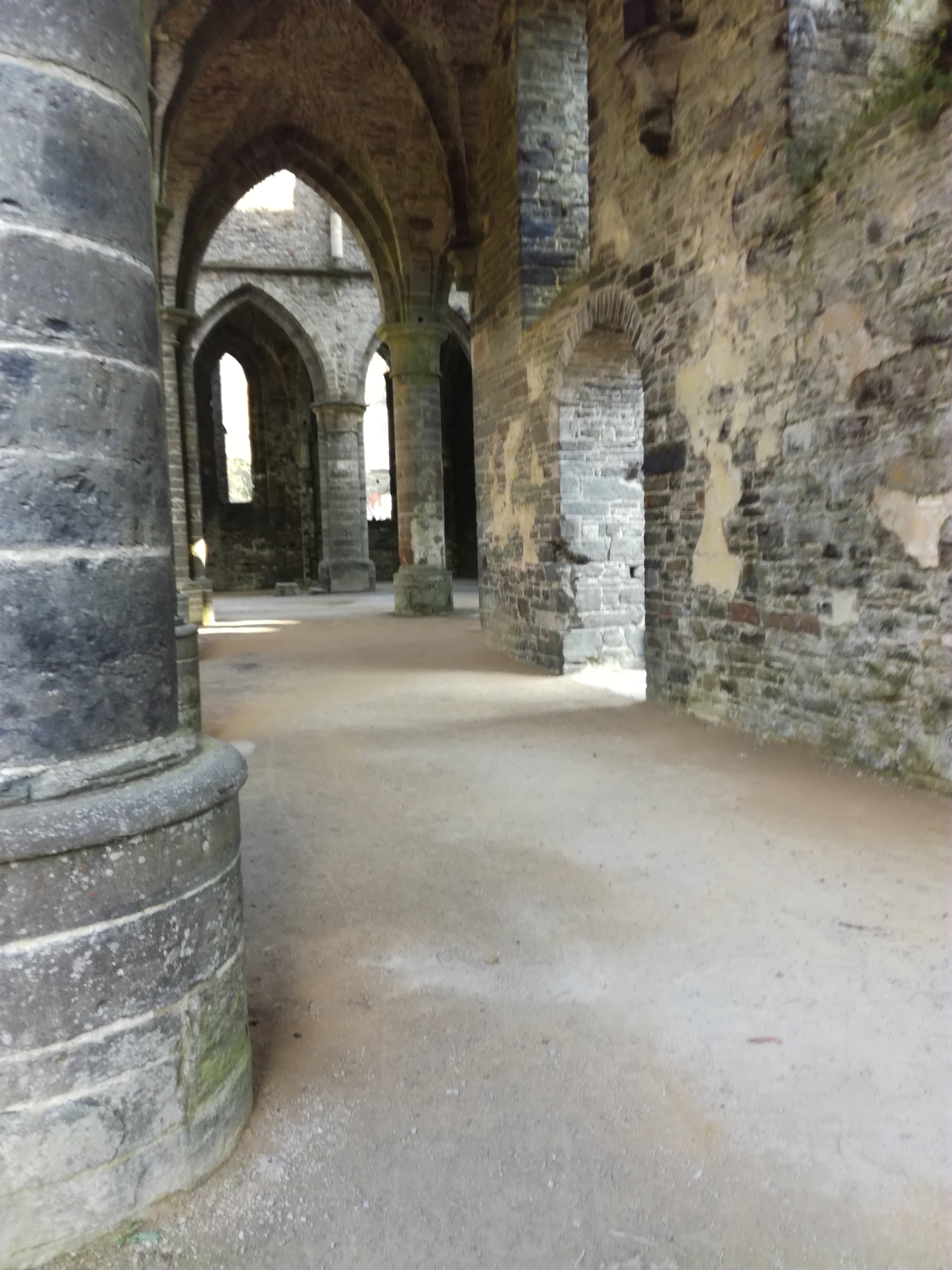
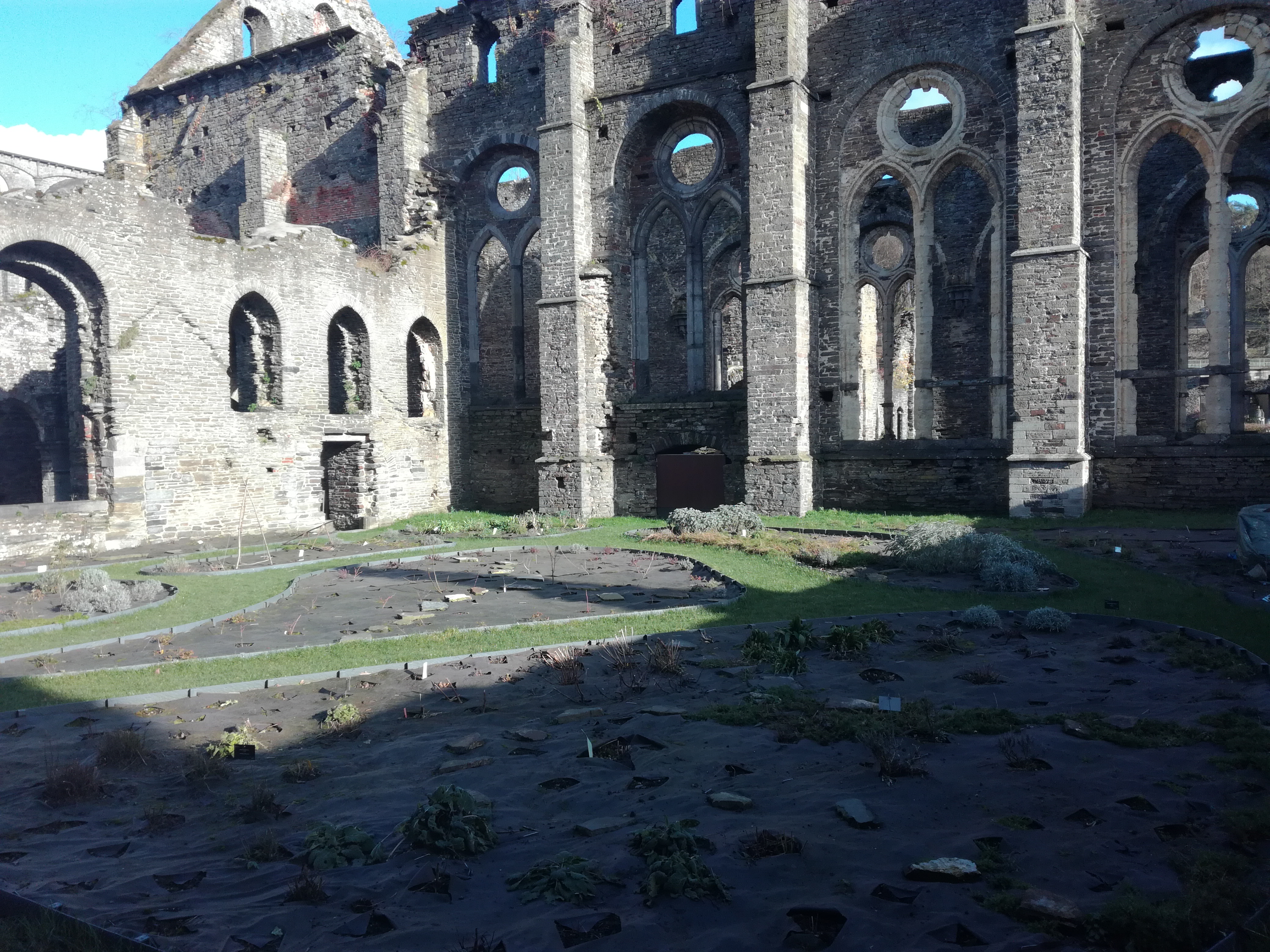
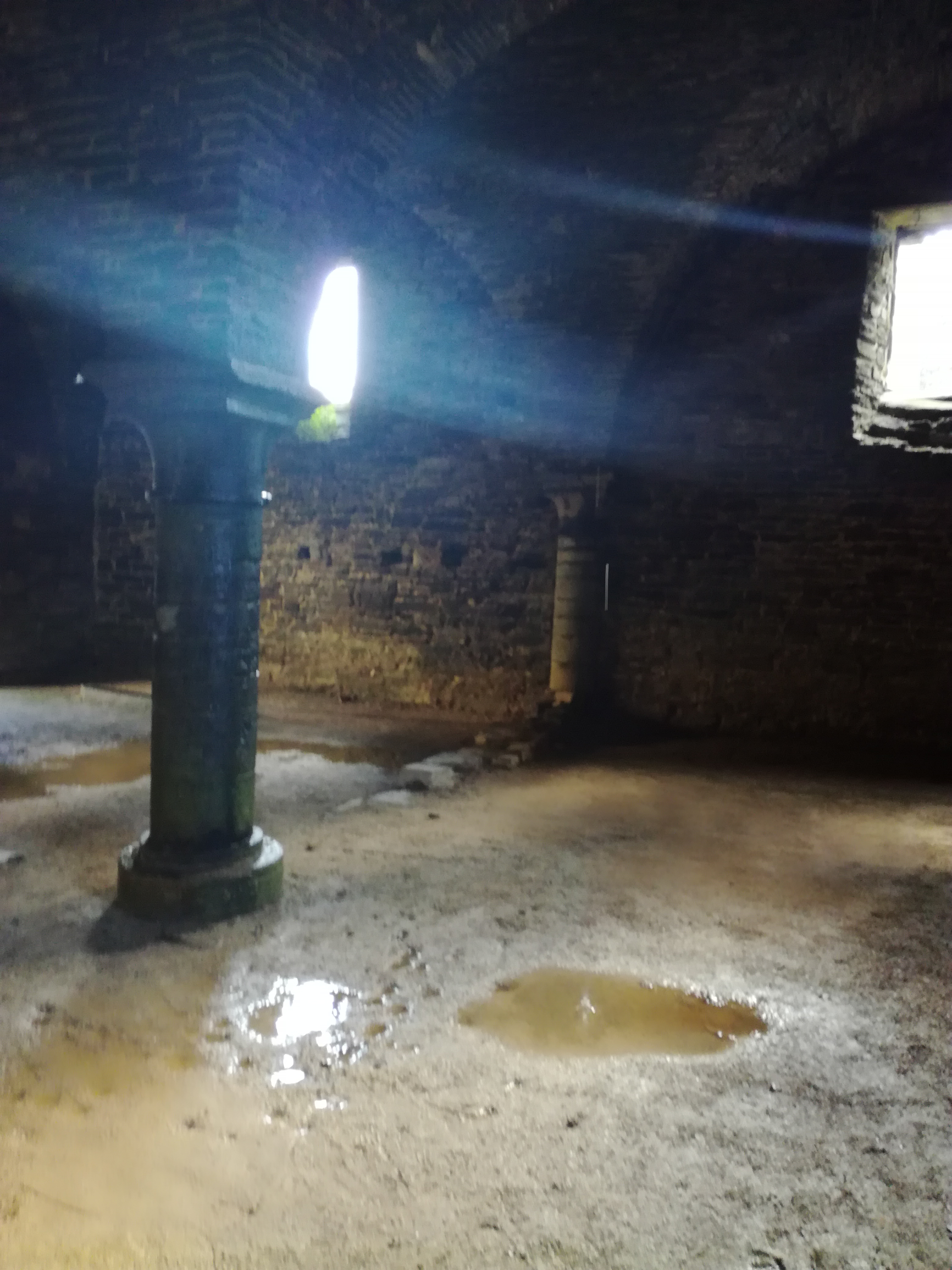
This was a Cistercian abbey founded in 1146 and active until the French revolution. It reached its height and fame in the 13th Century. It’s estimated that as many as one hundred monks and three hundred lay brothers lived here. Sleeping and eating accommodations were separate for the two groups. You can walk the tight passageways from the dormitories to the church, visit the rooms where they held meetings and stored holy books and vestments. The church remains a beautiful structure even in ruin.

The Cistercian order was known for its dedication to a life of manual labor and self-sufficiency. Abbeys supported themselves through agriculture and ale-brewing. This abbey had massive land holdings throughout the region.

bty

bty

btybtybtybty

davdavbtybtybty

9 Comments

Filed under travel